
In the industrial world, managing emissions and ensuring compliance with environmental regulations is critical. One of the most effective tools for achieving this is the scrubber. This comprehensive guide explores the various types of scrubbers, their benefits, applications, and how they contribute to a cleaner, safer environment.
What Are Scrubbers?
Scrubbers are devices used to remove pollutants from industrial exhaust streams. They work by contacting the contaminated gas with a scrubbing liquid, which absorbs or reacts with the pollutants, effectively removing them from the gas stream. Scrubbers are essential in industries where emission control is a priority, helping to meet environmental regulations and reduce the impact of industrial activities on the environment.
Types of Scrubbers
- Wet Scrubbers Wet scrubbers use a liquid, usually water, to remove pollutants from the gas stream. The gas passes through the scrubbing liquid, which captures the contaminants. Wet scrubbers are effective at removing a variety of pollutants, including dust, gases, and particulate matter. They are commonly used in industries like chemical manufacturing, power generation, and steel production.
- Dry Scrubbers Dry scrubbers use a dry reagent or absorbent material to capture pollutants. The gas stream passes through the dry material, which reacts with or adsorbs the contaminants. Dry scrubbers are typically used for removing acidic gases, such as sulfur dioxide (SO2) and hydrogen chloride (HCl). They are often employed in industries where water usage needs to be minimized or where the pollutants are best captured with dry materials.
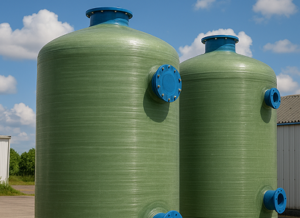
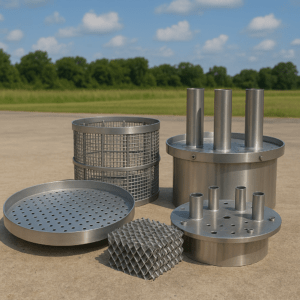
- Packed Bed Scrubbers Packed bed scrubbers, also known as packed tower scrubbers, use a column filled with packing material to enhance the contact between the gas and the scrubbing liquid. This increased contact improves the efficiency of pollutant removal. Packed bed scrubbers are widely used in applications where high removal efficiency of soluble gases, such as ammonia or hydrogen sulfide, is required.
- Spray Tower Scrubbers Spray tower scrubbers, also known as spray chambers, introduce the scrubbing liquid into the gas stream through nozzles, creating a fine mist. This mist maximizes the contact area between the gas and the liquid, enhancing the removal of pollutants. Spray tower scrubbers are effective for gases with high moisture content and are commonly used in industries like pulp and paper, food processing, and petrochemicals.
Key Benefits of Scrubbers
- Effective Pollutant Removal Scrubbers are highly effective at removing a wide range of pollutants from industrial exhaust streams. Whether dealing with particulate matter, gases, or vapors, scrubbers can significantly reduce the concentration of contaminants, ensuring cleaner emissions.
- Regulatory Compliance Using scrubbers helps industries comply with stringent environmental regulations. By effectively controlling emissions, companies can avoid fines, legal issues, and potential shutdowns, ensuring uninterrupted operations and a positive reputation.
- Versatility Scrubbers can be customized to handle specific pollutants and operational conditions. This versatility makes them suitable for various industries, from chemical manufacturing to food processing, providing tailored solutions for different emission control needs.
- Improved Workplace Safety By removing hazardous pollutants from the air, scrubbers contribute to a safer working environment. This reduces the risk of health issues among employees and helps maintain a healthy workforce, enhancing productivity and morale.
- Environmental Protection Scrubbers play a crucial role in protecting the environment by reducing harmful emissions. This contributes to cleaner air, reduced acid rain, and lower levels of ground-level ozone, helping to preserve ecosystems and public health.
Common Applications of Scrubbers
- Chemical Manufacturing In the chemical industry, scrubbers are used to control emissions of various pollutants, including volatile organic compounds (VOCs), acids, and particulates. This ensures that the emissions meet environmental standards and reduces the impact on the surrounding environment.
- Power Generation Power plants use scrubbers to remove pollutants such as sulfur dioxide (SO2) and nitrogen oxides (NOx) from flue gases. This is essential for reducing acid rain and minimizing the environmental footprint of energy production.
- Steel and Metal Processing Scrubbers are employed in steel mills and metal processing facilities to control emissions of dust, fumes, and gases. This helps in maintaining air quality and protecting the health of workers and nearby communities.
- Food Processing In the food processing industry, scrubbers are used to remove odors, vapors, and particulate matter from exhaust streams. This ensures compliance with hygiene standards and reduces the impact of operations on the surrounding area.
- Pulp and Paper The pulp and paper industry uses scrubbers to control emissions of sulfur compounds, particulates, and other pollutants. This helps in meeting environmental regulations and maintaining air quality.
Maintenance Tips for Scrubbers
Proper maintenance of scrubbers is essential for ensuring their efficiency and longevity. Here are some maintenance tips:
- Regular Inspections Conduct regular inspections to check for signs of wear, corrosion, or blockages. Early detection of issues can prevent more significant problems and ensure the continued efficient operation of the scrubber.
- Cleaning Regular cleaning of the scrubber’s components, such as nozzles, packing material, and liquid distribution systems, is essential to prevent the buildup of residues and contaminants. Follow manufacturer guidelines for cleaning procedures to ensure proper maintenance.
- Monitoring Systems Implement monitoring systems to track the performance of the scrubber, including pressure drops, flow rates, and pollutant concentrations. These systems can provide early warnings of potential issues, allowing for timely intervention.
- Replacement of Worn Parts Replace any worn or damaged parts promptly to prevent further deterioration. Keeping a stock of critical spare parts can help minimize downtime and ensure the scrubber remains in top condition.
- Professional Servicing Engage professional services for routine maintenance and inspections. Experienced technicians can provide thorough assessments and necessary repairs, ensuring the scrubber operates at peak efficiency.
Why Choose High-Quality Scrubbers?
Investing in high-quality scrubbers is essential for ensuring efficient and reliable emission control. High-quality scrubbers offer superior performance, durability, and ease of maintenance, providing long-term value and peace of mind. By choosing the right scrubber for your specific application, you can enhance operational efficiency, reduce maintenance costs, and ensure compliance with environmental regulations.
Conclusion
In conclusion, scrubbers are an essential tool for controlling industrial emissions and ensuring compliance with environmental standards. Their ability to effectively remove a wide range of pollutants makes them indispensable in various industries. Understanding the different types of scrubbers, their benefits, applications, and maintenance requirements can help businesses make informed decisions and optimize their emission control systems.
Whether you are in chemical manufacturing, power generation, or any other industry requiring robust emission control solutions, investing in high-quality scrubbers is crucial for achieving efficient and reliable performance. Explore the advantages of scrubbers today and discover how they can enhance your industrial operations. With their proven performance and versatility, scrubbers are the future of effective and sustainable emission control.


Comments (0)
No comments yet.