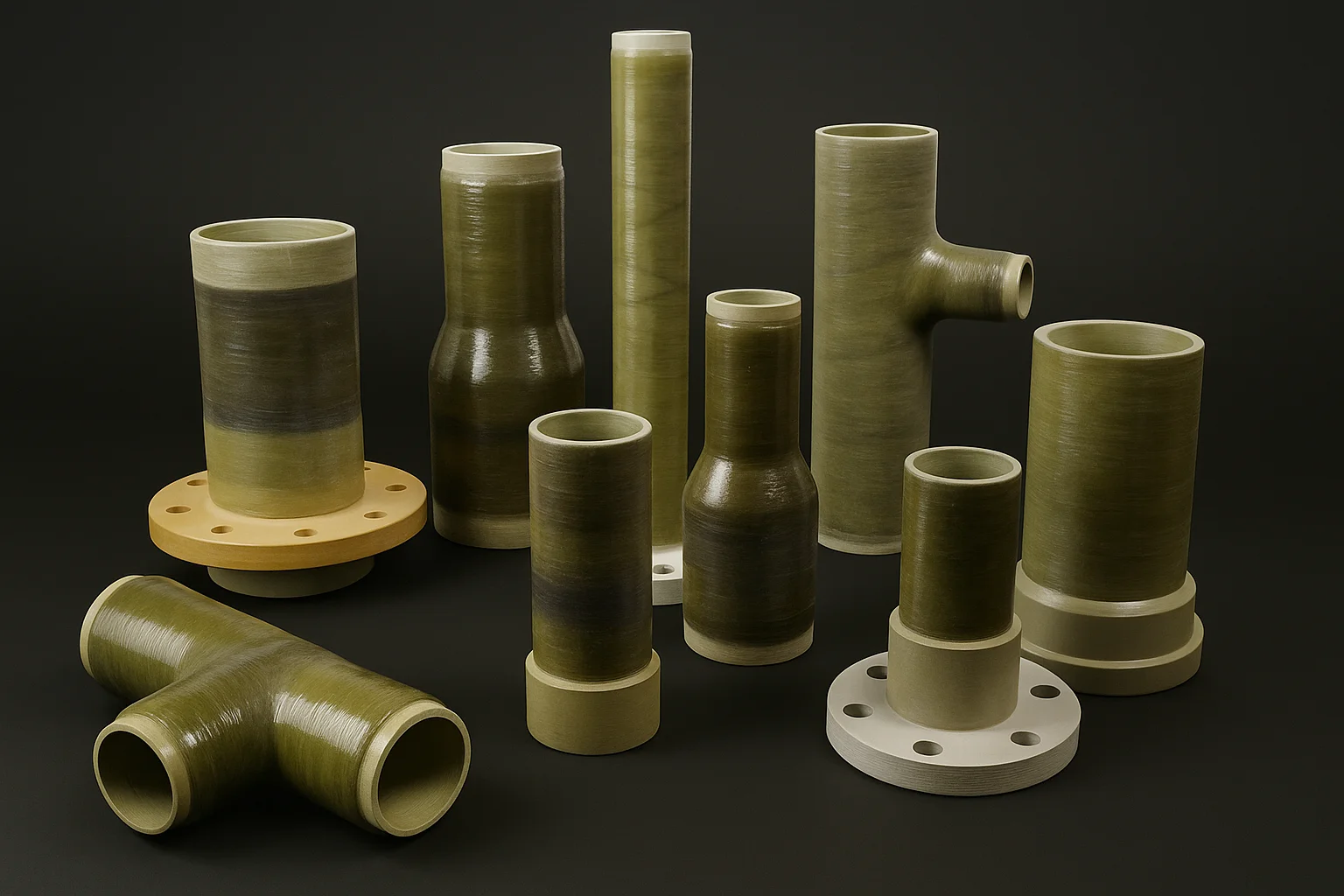
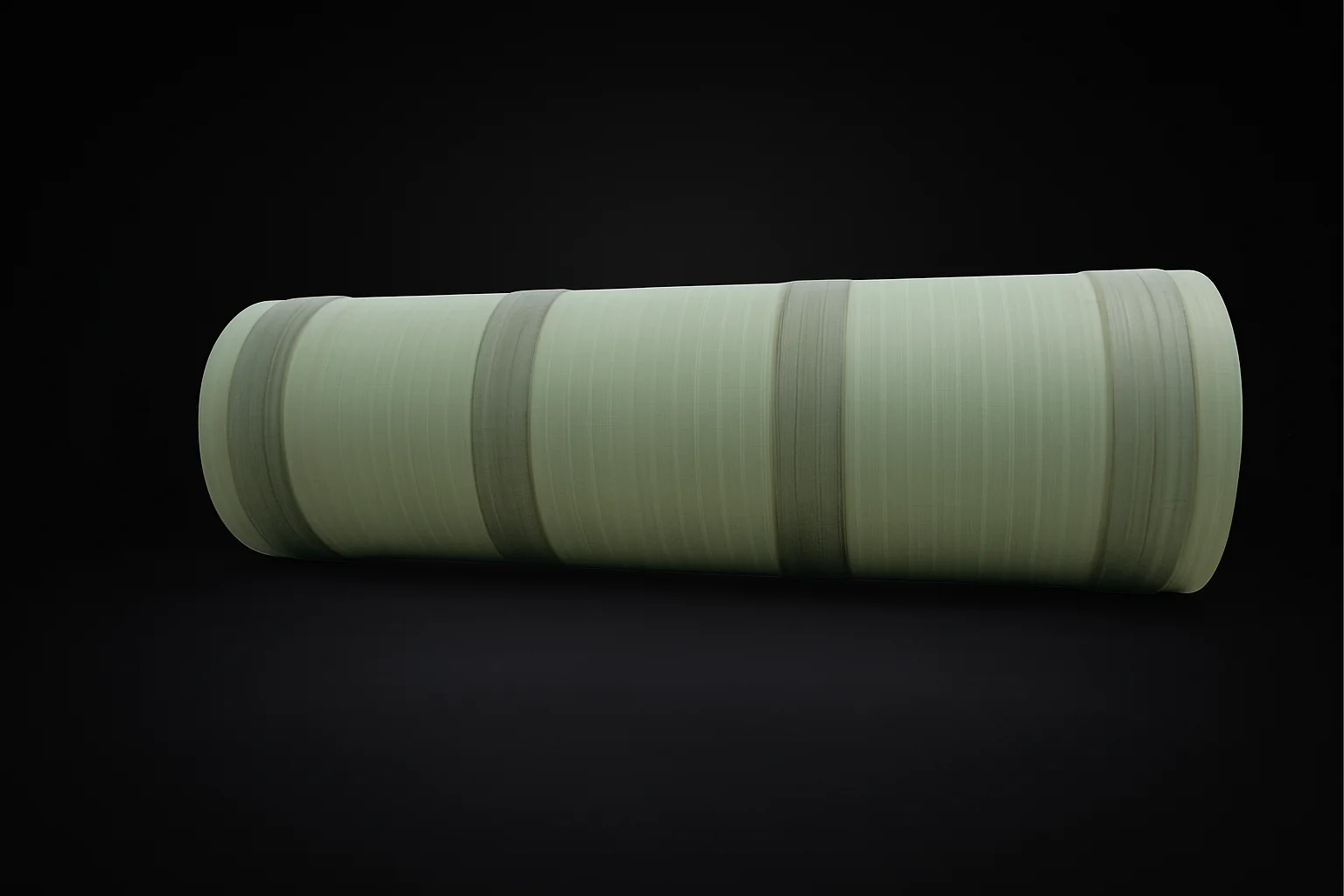
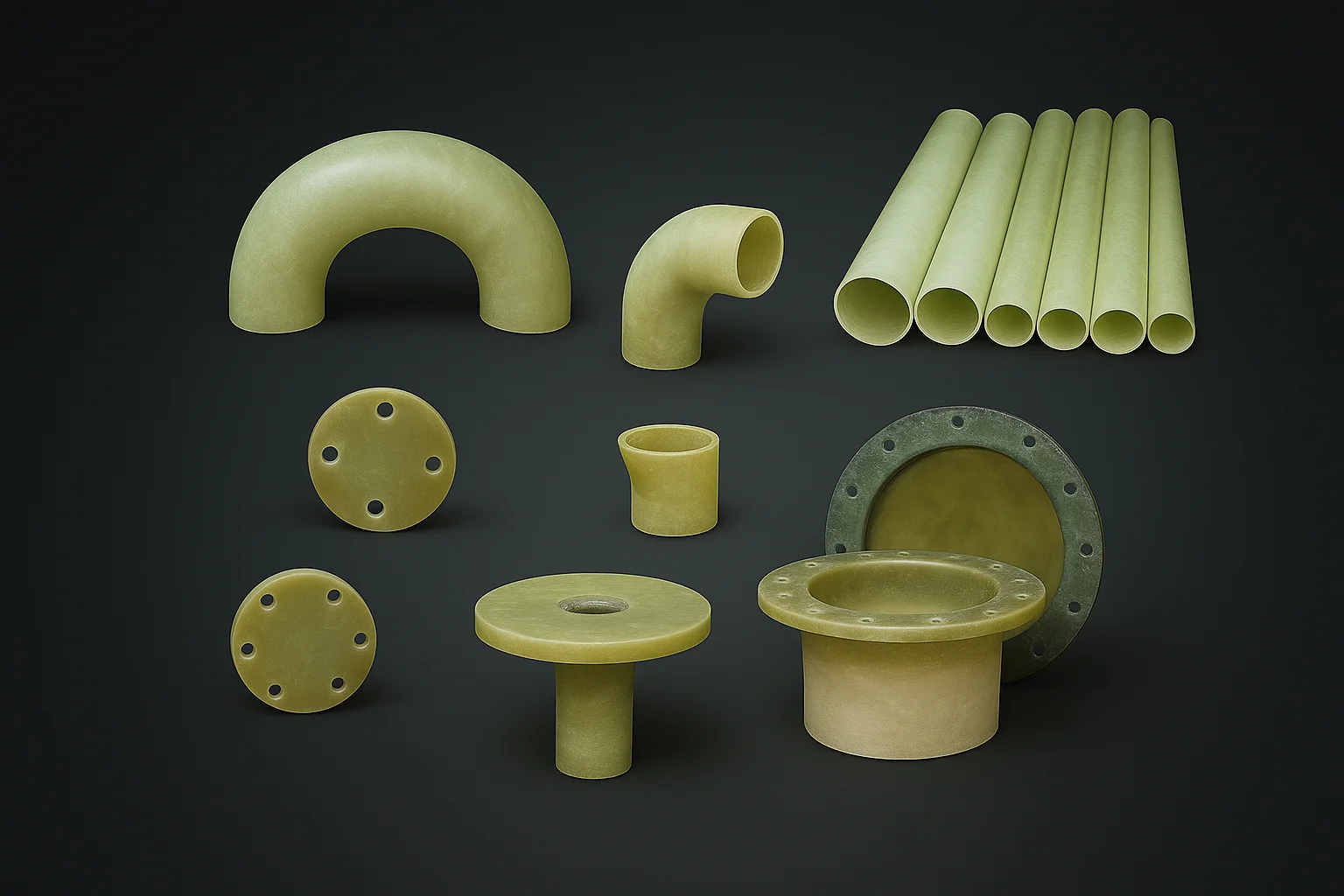
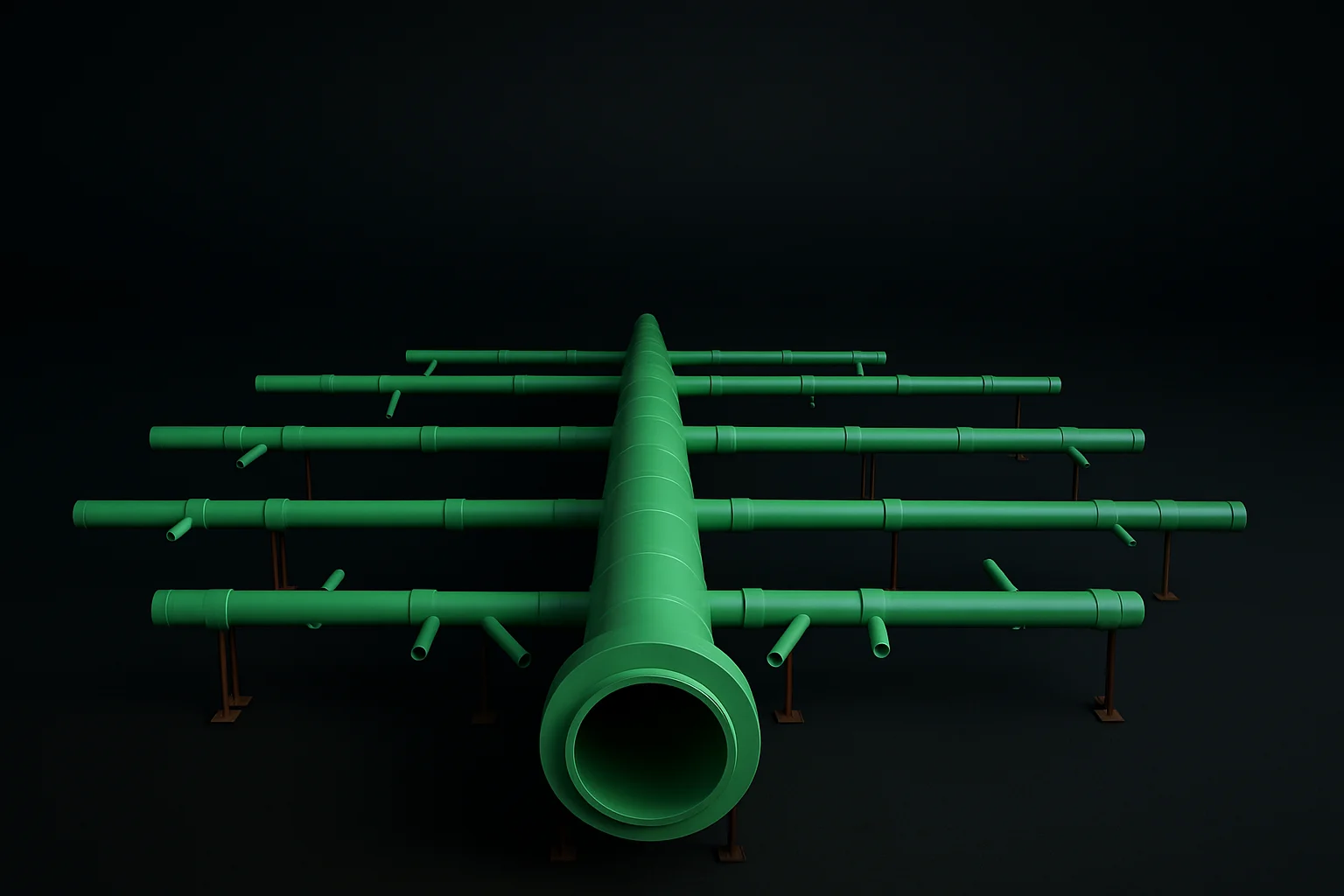
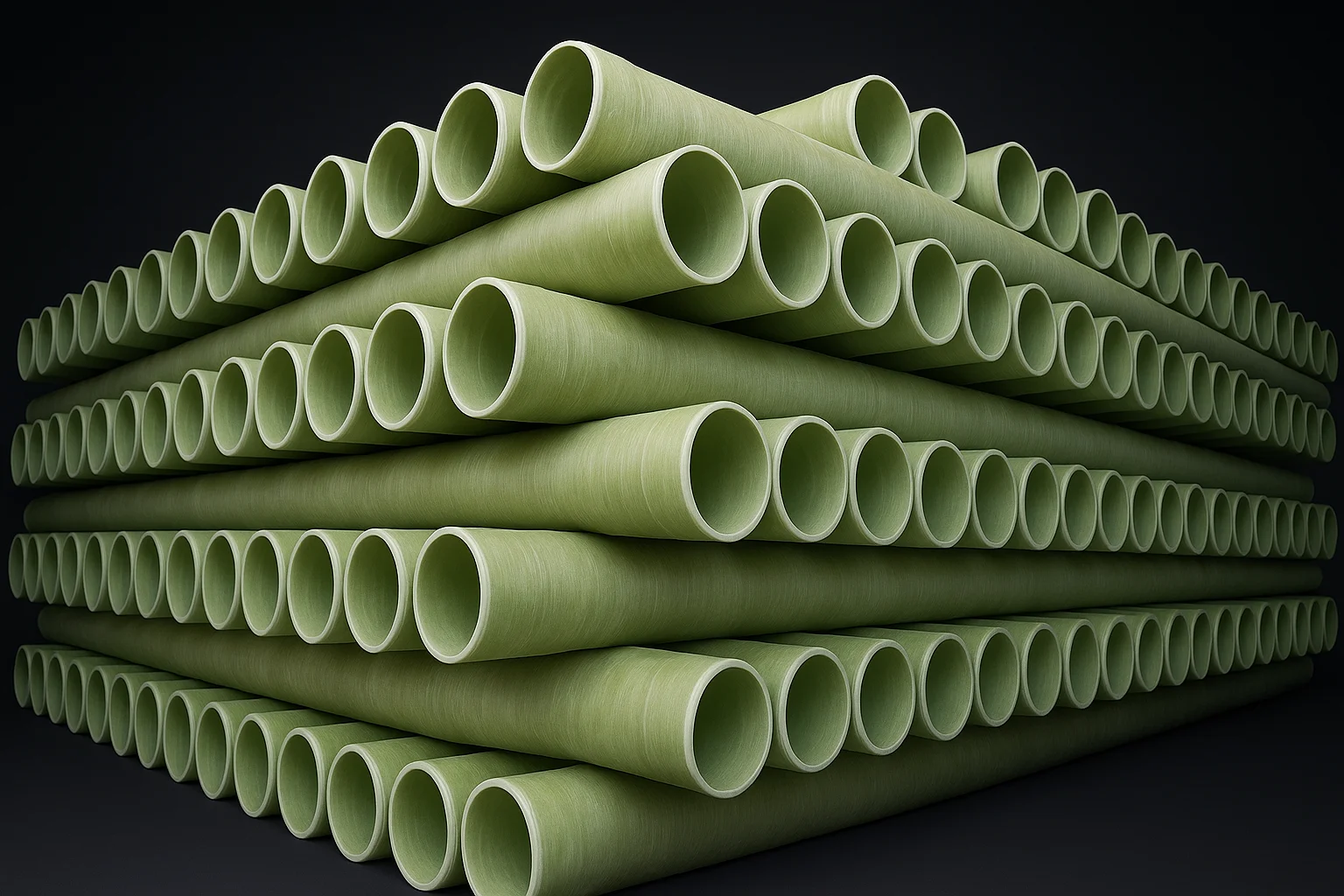
Thermoplastic-lined GRP piping systems combine the best of strong, high-performance thermoplastics and rugged fiberglass-reinforced polymer. Piping systems are highly desired by industries requiring outstanding corrosion protection, extended life, and low weight. With an inner lining that is chemical resistant supported by a rugged GRP outer shell, such pipes provide an economical and long-lasting substitute for rubber-lined steel and high-cost alloy systems.
Principal Components of Thermoplastic-Lined GRP Pipe Systems
- GRP Outer Layer: The outer layer consists of glass-reinforced plastic, which is a mixture of resin and fiberglass. The layer gives the pipe mechanical strength, impact resistance, and the ability to withstand internal pressure at all times.
- Thermoplastic Inner Lining: Within the pipe, a thermoplastic such as PE, PP, PVDF, or ECTFE is used to line the surface. The protective coating is a chemical barrier, and high protection is given against corrosive environments.
- Adhesive Bonding Layer: In certain applications, an adhesive or bonding layer is also included between the GRP and thermoplastic surfaces. This enhances adhesion and avoids any possibility of separation between the two layers.
Common Joining Methods
- Butt Welding: This is primarily used to join thermoplastic lining, and the process results in smooth and efficient joints that have leak-proof performance.
- Flanged Joints: They are typically chosen when disassembly frequency or periodic access is also needed for maintenance.
Adhesive Bonding: This is used to join the GRP layers in certain system designs to improve structural strength.
Installation Factors
- Adequate Support and Anchoring: GRP pipes are not heavy, and adequate supports and anchors must be installed to prevent sagging and maintain long-term alignment
- Thermal Movement Provision: Due to differential expansions on heating between GRP and thermoplastics, provision in the piping system will need to be made for thermal contraction and expansion to prevent stressing fittings and joints.