An FGD stack is located centrally in a flue gas desulfurization plant, the purpose of which is to minimize sulfur dioxide emissions produced when fossil fuels like coal, oil, or gas are burned. Poisonous pollutants are emitted in the form of flue gases when these kinds of fuels are burned. Sulfur dioxide is one of the deadliest of these kinds of pollutants. It is a severe air and acid rain pollutant, and therefore, its removal protects the environment. FGD systems remove and destroy sulfur dioxide from the emissions before releasing it into the environment. Environmental stewardship in power production and industrial processes necessitates this.
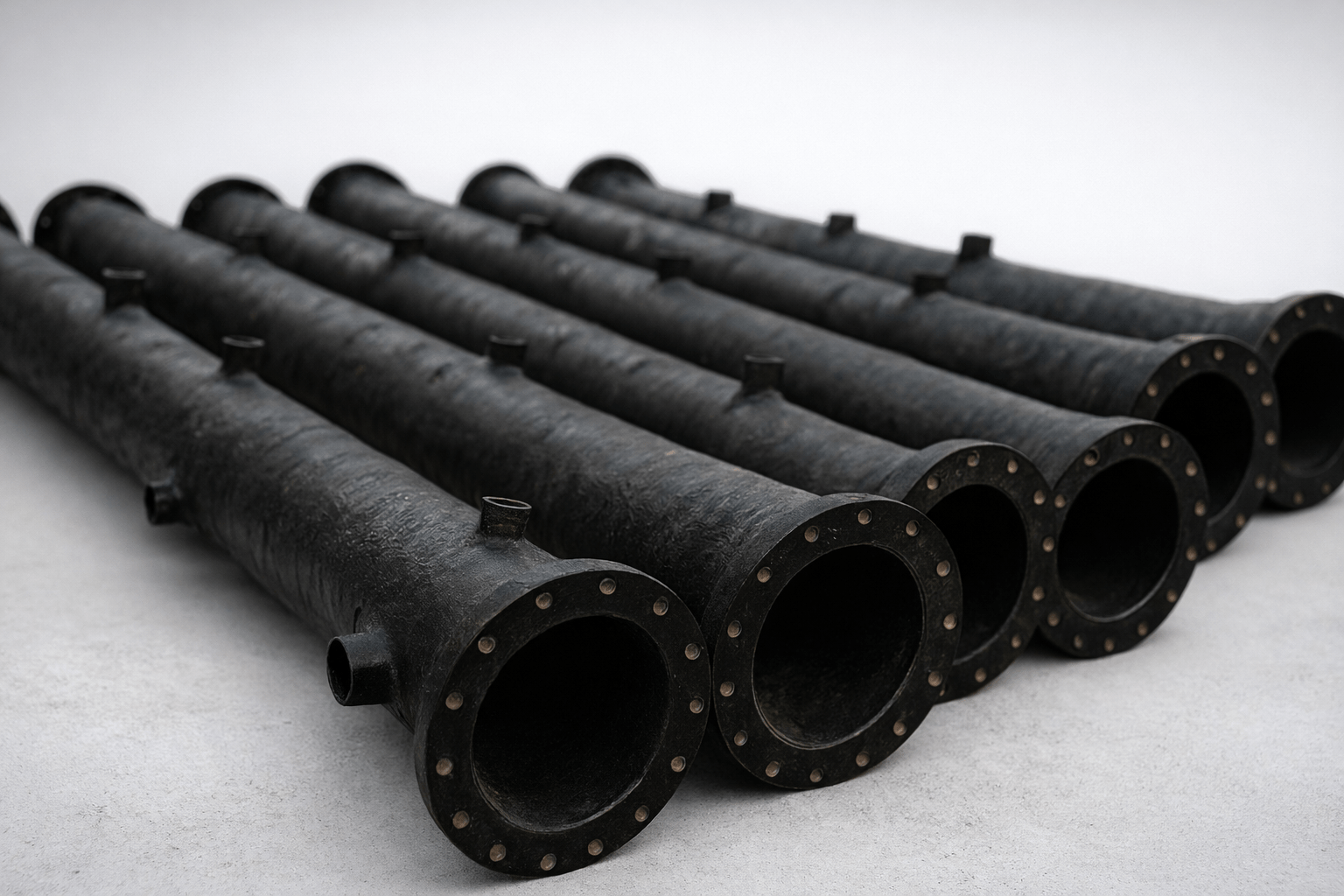
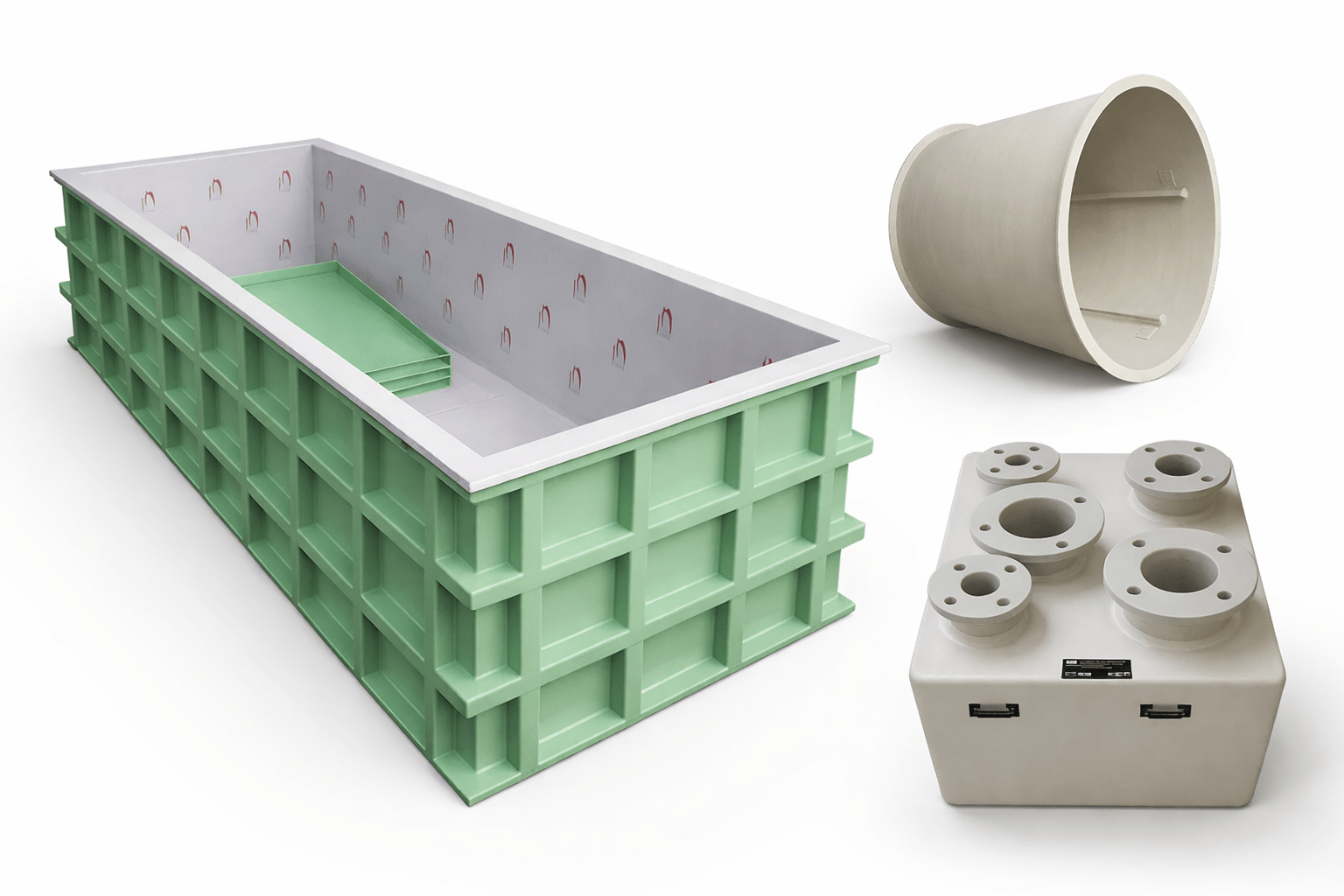
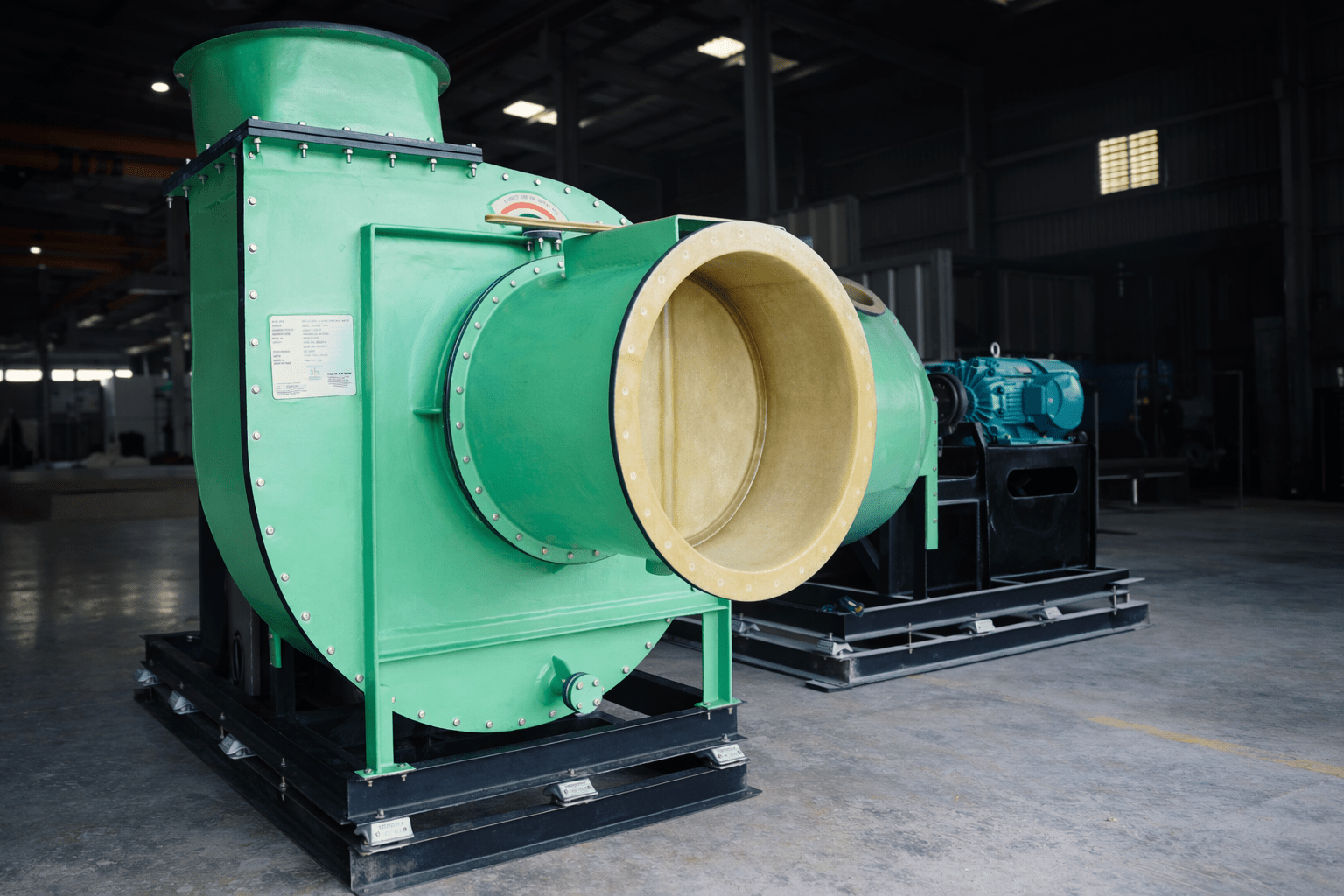
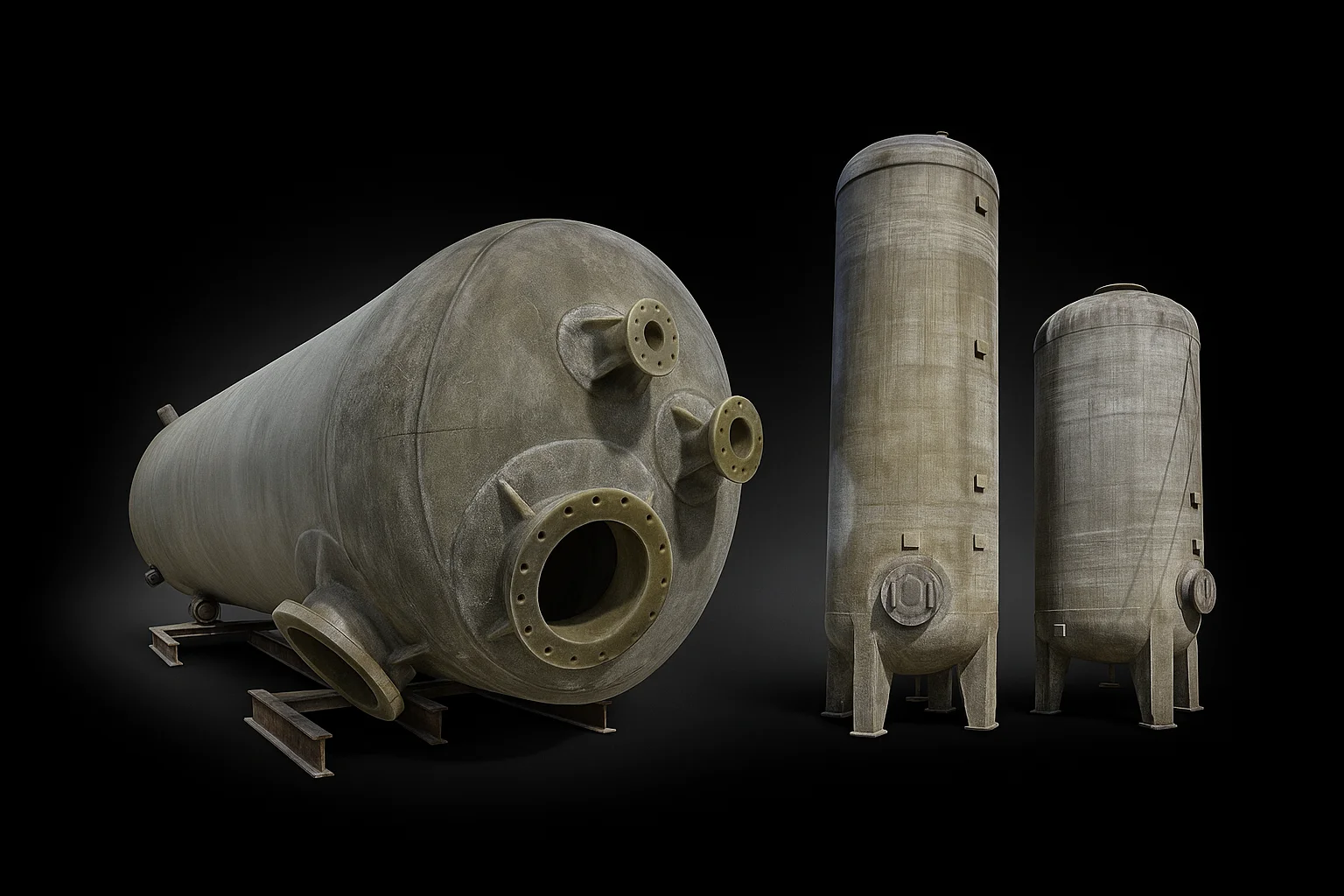
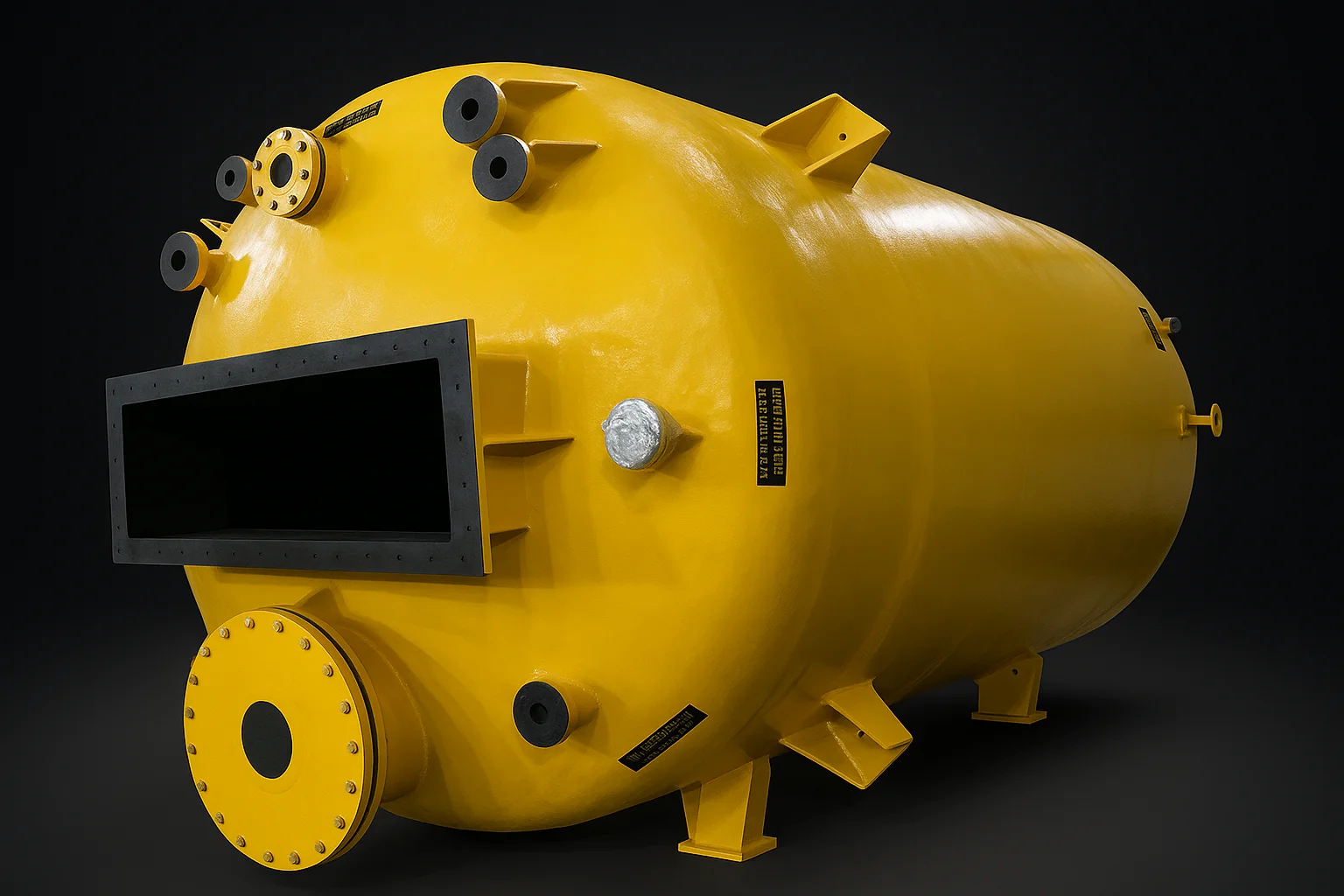
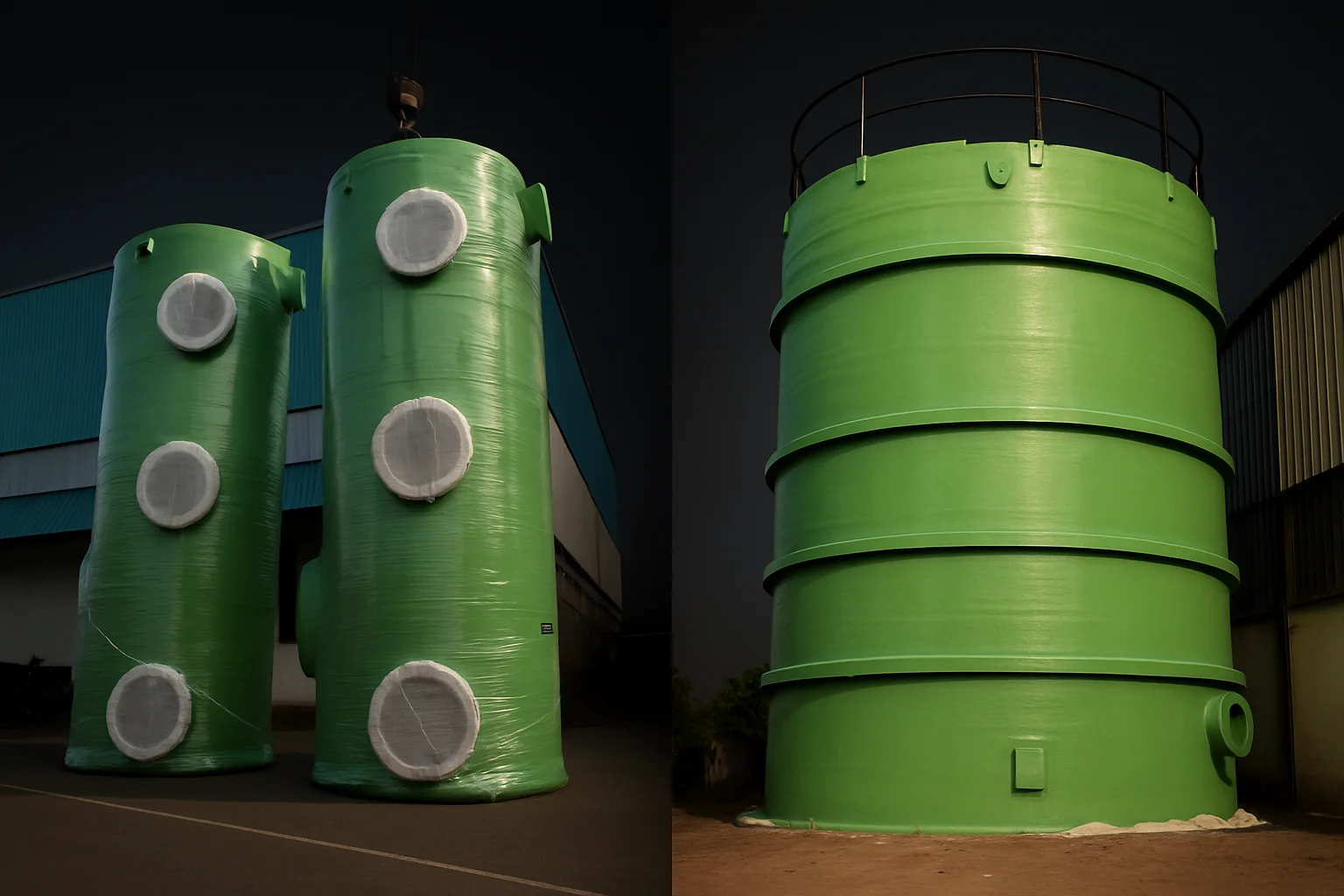
The systems have been made less complicated in nature and made accessible at low cost, with GRP chimneys being the choice of preference. They are constructed of glass-reinforced plastic, which is a lightweight but highly resilient material. GRP is also non-corrosive and can thus be used where there is frequent chemical exposure. It is also a very good heat insulator and can withstand high temperatures for short periods. Apart from that, GRP chimneys are inexpensive to produce and can be molded to specification and designed to suit individual project requirements.
GRP chimneys have proved themselves to be worthy in industrial applications, particularly in power stations. They serve to comply with stringent environmental regulations and ensure long-term durability, efficiency of operation, and robustness of construction.