
In the world of chemical processing and industrial engineering, column internals play a crucial role in the efficiency and effectiveness of separation processes. This comprehensive guide explores the different types of column internals, their benefits, and their wide range of applications. Whether you’re in the petrochemical industry, wastewater treatment, or pharmaceutical manufacturing, understanding column internals is essential for optimizing your operations.
What Are Column Internals?
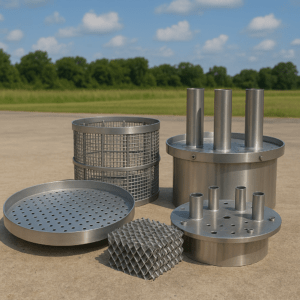
Column internals are the components within a distillation or absorption column that facilitate the contact between liquid and vapor phases. These components are designed to maximize mass transfer efficiency and ensure proper mixing and separation of the different phases. Common column internals include trays, packing, distributors, collectors, and support plates, each serving a specific function to enhance the column’s performance.
Types of Column Internals
-
Trays
Trays are horizontal plates with openings that allow vapor to rise and liquid to flow across. The most common types of trays include:
- Bubble Cap Trays: Feature caps with slots that allow vapor to bubble through the liquid, promoting contact and separation.
- Sieve Trays: Have perforations that enable vapor to pass through while liquid flows across the tray.
- Valve Trays: Equipped with movable valves that lift to allow vapor flow, adjusting based on the vapor rate.
-
Packing
Packing materials provide a large surface area for vapor-liquid contact. They are generally categorized into two types:
- Random Packing: Consists of small, randomly packed shapes such as rings, saddles, or spheres.
- Structured Packing: Arranged in a regular, geometric pattern to maximize surface area and efficiency.
-
Distributors
Liquid and vapor distributors ensure even distribution of fluids across the column. Types include:
- Liquid Distributors: Spread liquid evenly over the packing or trays, preventing channeling and ensuring uniform contact.
- Vapor Distributors: Disperse vapor evenly, enhancing mass transfer and column efficiency.
-
Collectors
Collectors gather liquid from one section of the column and direct it to another, maintaining proper flow and separation. Types include:
- Liquid Collectors: Collect liquid from the packing or trays and guide it to the next section.
- Vapor Collectors: Capture vapor and direct it to subsequent stages for further processing.
-
Support Plates
Support plates hold the packing or trays in place and provide structural integrity to the column. They are essential for maintaining the proper alignment and performance of the column internals.
Key Benefits of Column Internals
- Improved Separation Efficiency
Column internals enhance the contact between vapor and liquid phases, increasing mass transfer efficiency. This results in better separation of components, higher product purity, and improved overall process efficiency. - Reduced Pressure Drop
Efficiently designed column internals minimize pressure drop across the column, reducing energy consumption and operational costs. This is particularly important in large-scale industrial processes where energy efficiency is a priority. - Increased Capacity
By optimizing the distribution and contact between phases, column internals can increase the capacity of a column. This allows for higher throughput and greater productivity without the need for larger equipment. - Enhanced Flexibility
Modern column internals are designed to accommodate a wide range of operating conditions and process requirements. This flexibility makes it easier to adapt to changes in feed composition, flow rates, and other process variables. - Lower Maintenance Costs
High-quality column internals are durable and require less frequent maintenance. This reduces downtime and maintenance costs, ensuring continuous and reliable operation of the column.
Common Applications of Column Internals
- Industria petroquímica
In the petrochemical industry, column internals are used in distillation columns to separate crude oil into various fractions such as gasoline, diesel, and jet fuel. The efficiency and capacity of these columns are critical for maximizing production and profitability. - Procesamiento Químico
Column internals are essential in chemical processing for the purification and separation of chemical compounds. They are used in processes such as distillation, absorption, and extraction to achieve high-purity products. - Pharmaceutical Manufacturing
In pharmaceutical manufacturing, column internals play a key role in the production of active pharmaceutical ingredients (APIs) and other compounds. Precise separation and purification are crucial for meeting stringent quality standards. - Industria de Alimentos y Bebidas
The food and beverage industry utilizes column internals for processes such as distillation, fermentation, and extraction. These applications require efficient separation and purification to ensure product quality and safety. - Tratamiento de aguas residuales
Column internals are used in wastewater treatment plants for the removal of contaminants and pollutants from water. They enhance the efficiency of processes such as stripping and adsorption, ensuring effective treatment and compliance with environmental regulations.
Maintenance Tips for Column Internals
Proper maintenance of column internals is essential for ensuring optimal performance and longevity. Here are some maintenance tips:
- Inspecciones regulares
Conduct regular inspections to check for signs of wear, corrosion, or damage. Early detection of issues can prevent costly repairs and downtime. - Cleaning and Removal of Deposits
Over time, deposits can accumulate on column internals, reducing efficiency. Regular cleaning and removal of these deposits are necessary to maintain optimal performance. - Replacement of Worn Components
Replace any worn or damaged components promptly to prevent further damage and ensure continuous operation. Keep an inventory of spare parts to minimize downtime. - Monitoreo de rendimiento
Regularly monitor the performance of the column to identify any deviations from normal operation. Changes in pressure drop, flow rates, or product quality can indicate issues with column internals. - Servicio Profesional
Engage professional services for routine maintenance and repairs. Experienced technicians can provide thorough inspections and necessary repairs, ensuring the column internals remain in top condition.
Why Choose High-Quality Column Internals?
Investing in high-quality column internals is crucial for optimizing your separation processes and ensuring reliable operation. High-quality internals offer superior performance, durability, and efficiency, leading to cost savings and improved productivity. By choosing the right column internals for your specific application, you can enhance your process efficiency, reduce maintenance costs, and achieve higher product quality.
Conclusión
In conclusion, column internals are vital components in industrial separation processes. Understanding the different types, benefits, and applications of column internals can help businesses make informed decisions and optimize their operations. Whether you are in the petrochemical industry, pharmaceutical manufacturing, or wastewater treatment, investing in high-quality column internals is essential for achieving efficient and reliable performance.
Explore the advantages of column internals today and discover how they can enhance your industrial processes. With their proven performance and versatility, column internals are the future of efficient and effective separation solutions.

Comentarios (0)
Aún no hay comentarios.