The Ultimate Guide to GRP Tanks: Benefits, Applications, and Maintenance

In today’s industrial landscape, efficient and durable storage solutions are crucial. Among the various options available, GRP tanks have emerged as a preferred choice for many industries. This guide explores the benefits, applications, and maintenance of GRP tanks, providing valuable insights for businesses looking to invest in reliable storage solutions.

What Are GRP Tanks?

GRP (Glass Reinforced Plastic) tanks are a type of composite storage tank made from a combination of fiberglass and resin. This blend creates a robust and durable material that offers superior resistance to corrosion, chemicals, and extreme weather conditions. GRP tanks are known for their longevity and versatility, making them ideal for various industrial applications.

Key Benefits of GRP Tanks

  1. Durability and Longevity GRP tanks are highly durable and can withstand harsh environmental conditions. The fiberglass reinforcement provides strength, while the plastic resin ensures flexibility, preventing cracks and leaks. This combination makes GRP tanks a long-lasting solution, reducing the need for frequent replacements and maintenance.
  2. Corrosion Resistance One of the standout features of GRP tanks is their resistance to corrosion. Unlike metal tanks, which can rust over time, GRP tanks remain unaffected by moisture and harsh chemicals. This resistance ensures that the stored contents remain uncontaminated, making GRP tanks ideal for storing potable water, chemicals, and other sensitive materials.
  3. Lightweight and Easy to Install GRP tanks are significantly lighter than their metal counterparts, making them easier to transport and install. Their lightweight nature does not compromise their strength, allowing for quick and efficient installation even in challenging locations.
  4. Customizable Design GRP tanks can be customized to meet specific requirements. Whether you need a particular shape, size, or color, GRP tanks can be tailored to fit your needs. This flexibility makes them suitable for a wide range of applications, from water storage to chemical processing.
  5. Cost-Effective Although the initial investment in GRP tanks may be higher compared to other materials, their durability and low maintenance requirements make them a cost-effective choice in the long run. The reduced need for repairs and replacements translates to significant savings over the tank’s lifespan.

Common Applications of GRP Tanks

  1. Water Storage GRP tanks are widely used for storing potable water, rainwater, and wastewater. Their non-corrosive nature ensures that the water remains safe and uncontaminated, making them an excellent choice for residential, commercial, and industrial water storage solutions.
  2. Chemical Storage The chemical resistance of GRP tanks makes them ideal for storing a variety of chemicals, including acids, alkalis, and solvents. Industries such as manufacturing, pharmaceuticals, and agriculture benefit from the secure storage these tanks provide.
  3. Food and Beverage Industry GRP tanks are used in the food and beverage industry for storing ingredients, processing liquids, and finished products. The tanks’ ability to maintain the purity of their contents ensures compliance with stringent industry standards.
  4. Septic Systems and Sewage Treatment GRP tanks are also employed in septic systems and sewage treatment plants. Their resistance to corrosion and chemicals makes them suitable for handling waste materials and ensuring efficient sewage management.
  5. Firefighting Water Storage Firefighting systems require reliable water storage solutions. GRP tanks provide the necessary durability and capacity to store large volumes of water, ensuring that firefighting systems are always ready for emergencies.

Maintenance Tips for GRP Tanks

While GRP tanks are known for their low maintenance requirements, regular inspections and proper care can extend their lifespan and ensure optimal performance. Here are some maintenance tips for GRP tanks:

  1. Regular Inspections Conduct periodic inspections to check for any signs of damage, such as cracks or leaks. Early detection of issues can prevent costly repairs and downtime.
  2. Cleaning and Sanitization Depending on the contents stored, regular cleaning and sanitization may be necessary to prevent contamination. Use appropriate cleaning agents and follow industry guidelines for safe and effective cleaning.
  3. UV Protection Prolonged exposure to sunlight can degrade the resin in GRP tanks. Consider applying a UV-protective coating or using UV-resistant tanks to prevent damage from the sun’s rays.
  4. Proper Installation Ensure that GRP tanks are installed correctly by professionals. Improper installation can lead to structural issues and reduce the tank’s effectiveness.
  5. Monitor Tank Levels Regularly monitor the levels of stored contents to prevent overfilling or underutilization. This practice helps maintain the integrity of the tank and ensures efficient use of storage capacity.

Why Choose GRP Tanks for Your Storage Needs?

GRP tanks offer a myriad of benefits, from their durability and corrosion resistance to their customizable design and cost-effectiveness. Whether you need to store water, chemicals, or food products, GRP tanks provide a reliable and efficient solution. Their versatility makes them suitable for a wide range of applications, ensuring that your storage needs are met with high-quality performance.

Investing in GRP tanks means choosing a storage solution that delivers long-term value and peace of mind. By following proper maintenance practices, you can maximize the lifespan and efficiency of your GRP tanks, making them a worthwhile investment for any industry.

Conclusion

In conclusion, GRP tanks stand out as a superior choice for industrial storage solutions. Their unique combination of durability, corrosion resistance, and customizable design makes them ideal for various applications. By understanding the benefits, applications, and maintenance of GRP tanks, businesses can make informed decisions and invest in storage solutions that offer long-term reliability and efficiency.

Explore the world of GRP tanks today and discover how they can revolutionize your storage needs. With their proven performance and versatility, GRP tanks are the future of industrial storage solutions.

The Comprehensive Guide to FRP Blowers: Benefits, Applications, and Maintenance

In the industrial and commercial sectors, managing air and gas flow efficiently is critical for maintaining optimal operations. One solution that has gained popularity for its effectiveness and durability is the FRP blower. This guide delves into the advantages, applications, and maintenance of FRP blowers, helping businesses make informed decisions about their airflow management systems.

What Are FRP Blowers?

FRP (Fiber Reinforced Plastic) blowers are high-performance devices designed to handle air and gas movement in various industrial settings. Made from a combination of fiberglass and resin, these blowers offer exceptional strength and resistance to corrosion, making them ideal for harsh environments. FRP blowers are known for their lightweight, durable, and long-lasting properties, providing reliable performance in demanding applications.

Key Benefits of FRP Blowers

  1. Corrosion Resistance One of the most significant advantages of FRP blowers is their resistance to corrosion. Unlike metal blowers, which can deteriorate when exposed to harsh chemicals and moisture, FRP blowers remain unaffected. This quality makes them perfect for industries dealing with corrosive substances, such as chemical processing and wastewater treatment.
  2. Lightweight and Durable FRP blowers are much lighter than their metal counterparts, making them easier to install and handle. Despite their lightweight nature, they do not compromise on durability. The fiberglass reinforcement provides strength and rigidity, ensuring that the blowers can withstand demanding industrial conditions.
  3. High Efficiency Designed for optimal performance, FRP blowers offer high efficiency in air and gas movement. Their design minimizes energy consumption while maximizing output, leading to cost savings and improved operational efficiency.
  4. Customizable FRP blowers can be customized to meet specific industrial requirements. Whether you need a particular size, shape, or configuration, these blowers can be tailored to fit your unique needs. This flexibility makes them suitable for a wide range of applications.
  5. Low Maintenance The durability and corrosion resistance of FRP blowers translate to lower maintenance needs. They require less frequent repairs and replacements compared to traditional metal blowers, reducing downtime and maintenance costs.

Common Applications of FRP Blowers

  1. Chemical Processing FRP blowers are extensively used in the chemical processing industry due to their ability to handle corrosive gases and chemicals. They ensure safe and efficient air movement, maintaining a controlled environment within chemical plants.
  2. Wastewater Treatment In wastewater treatment facilities, FRP blowers play a crucial role in aeration and ventilation. Their resistance to corrosion makes them ideal for handling the harsh conditions found in these environments, ensuring reliable performance over time.
  3. Pharmaceutical Industry The pharmaceutical industry demands high levels of cleanliness and precision. FRP blowers provide the necessary airflow management for cleanrooms and other controlled environments, helping to maintain stringent quality standards.
  4. Food and Beverage Industry FRP blowers are also used in the food and beverage industry for ventilation, cooling, and drying processes. Their ability to handle moist and corrosive environments ensures the integrity and safety of food processing operations.
  5. HVAC Systems In commercial and industrial HVAC systems, FRP blowers are employed to manage air circulation and maintain indoor air quality. Their efficiency and durability make them a cost-effective solution for large-scale HVAC applications.

Maintenance Tips for FRP Blowers

While FRP blowers are known for their low maintenance requirements, regular upkeep can extend their lifespan and ensure optimal performance. Here are some maintenance tips for FRP blowers:

  1. Regular Inspections Conduct periodic inspections to check for any signs of damage or wear. Early detection of issues can prevent costly repairs and ensure continuous operation.
  2. Cleaning Keep the blower clean and free from debris. Depending on the environment, regular cleaning may be necessary to prevent buildup that could affect performance.
  3. Lubrication Ensure that all moving parts are adequately lubricated to reduce friction and wear. Follow the manufacturer’s guidelines for the appropriate lubrication schedule and type.
  4. Monitoring Performance Regularly monitor the blower’s performance to identify any deviations from normal operation. Unusual noises, vibrations, or reduced efficiency can indicate potential problems that need addressing.
  5. Professional Servicing Engage professional services for routine maintenance and repairs. Expert technicians can provide thorough inspections and necessary repairs, ensuring the blower remains in top condition.

Why Choose FRP Blowers for Your Airflow Management Needs?

FRP blowers offer a host of benefits that make them an ideal choice for various industrial applications. Their corrosion resistance, durability, high efficiency, and customizable design ensure reliable and efficient airflow management. Whether you operate in chemical processing, wastewater treatment, or any other industry requiring robust air movement solutions, FRP blowers provide the performance and reliability you need.

Investing in FRP blowers means choosing a solution that delivers long-term value and reduces operational costs. Their low maintenance requirements and extended lifespan make them a cost-effective choice, while their superior performance ensures optimal operation of your systems.

Conclusion

In conclusion, FRP blowers stand out as a superior choice for industrial airflow management. Their unique combination of durability, corrosion resistance, and high efficiency makes them suitable for a wide range of applications. By understanding the benefits, applications, and maintenance of FRP blowers, businesses can make informed decisions and invest in solutions that offer long-term reliability and efficiency.

Explore the advantages of FRP blowers today and discover how they can enhance your industrial operations. With their proven performance and versatility, FRP blowers are the future of efficient and durable air movement solutions.

The Ultimate Guide to Column Internals: Types, Benefits, and Applications

In the world of chemical processing and industrial engineering, column internals play a crucial role in the efficiency and effectiveness of separation processes. This comprehensive guide explores the different types of column internals, their benefits, and their wide range of applications. Whether you’re in the petrochemical industry, wastewater treatment, or pharmaceutical manufacturing, understanding column internals is essential for optimizing your operations.

What Are Column Internals?

Column internals are the components within a distillation or absorption column that facilitate the contact between liquid and vapor phases. These components are designed to maximize mass transfer efficiency and ensure proper mixing and separation of the different phases. Common column internals include trays, packing, distributors, collectors, and support plates, each serving a specific function to enhance the column’s performance.

Types of Column Internals

  1. Trays

    Trays are horizontal plates with openings that allow vapor to rise and liquid to flow across. The most common types of trays include:

    • Bubble Cap Trays: Feature caps with slots that allow vapor to bubble through the liquid, promoting contact and separation.
    • Sieve Trays: Have perforations that enable vapor to pass through while liquid flows across the tray.
    • Valve Trays: Equipped with movable valves that lift to allow vapor flow, adjusting based on the vapor rate.
  2. Packing

    Packing materials provide a large surface area for vapor-liquid contact. They are generally categorized into two types:

    • Random Packing: Consists of small, randomly packed shapes such as rings, saddles, or spheres.
    • Structured Packing: Arranged in a regular, geometric pattern to maximize surface area and efficiency.
  3. Distributors

    Liquid and vapor distributors ensure even distribution of fluids across the column. Types include:

    • Liquid Distributors: Spread liquid evenly over the packing or trays, preventing channeling and ensuring uniform contact.
    • Vapor Distributors: Disperse vapor evenly, enhancing mass transfer and column efficiency.
  4. Collectors

    Collectors gather liquid from one section of the column and direct it to another, maintaining proper flow and separation. Types include:

    • Liquid Collectors: Collect liquid from the packing or trays and guide it to the next section.
    • Vapor Collectors: Capture vapor and direct it to subsequent stages for further processing.
  5. Support Plates

    Support plates hold the packing or trays in place and provide structural integrity to the column. They are essential for maintaining the proper alignment and performance of the column internals.

Key Benefits of Column Internals

  1. Improved Separation Efficiency
    Column internals enhance the contact between vapor and liquid phases, increasing mass transfer efficiency. This results in better separation of components, higher product purity, and improved overall process efficiency.
  2. Reduced Pressure Drop
    Efficiently designed column internals minimize pressure drop across the column, reducing energy consumption and operational costs. This is particularly important in large-scale industrial processes where energy efficiency is a priority.
  3. Increased Capacity
    By optimizing the distribution and contact between phases, column internals can increase the capacity of a column. This allows for higher throughput and greater productivity without the need for larger equipment.
  4. Enhanced Flexibility
    Modern column internals are designed to accommodate a wide range of operating conditions and process requirements. This flexibility makes it easier to adapt to changes in feed composition, flow rates, and other process variables.
  5. Lower Maintenance Costs
    High-quality column internals are durable and require less frequent maintenance. This reduces downtime and maintenance costs, ensuring continuous and reliable operation of the column.

Common Applications of Column Internals

  1. Petrochemical Industry
    In the petrochemical industry, column internals are used in distillation columns to separate crude oil into various fractions such as gasoline, diesel, and jet fuel. The efficiency and capacity of these columns are critical for maximizing production and profitability.
  2. Chemical Processing
    Column internals are essential in chemical processing for the purification and separation of chemical compounds. They are used in processes such as distillation, absorption, and extraction to achieve high-purity products.
  3. Pharmaceutical Manufacturing
    In pharmaceutical manufacturing, column internals play a key role in the production of active pharmaceutical ingredients (APIs) and other compounds. Precise separation and purification are crucial for meeting stringent quality standards.
  4. Food and Beverage Industry
    The food and beverage industry utilizes column internals for processes such as distillation, fermentation, and extraction. These applications require efficient separation and purification to ensure product quality and safety.
  5. Wastewater Treatment
    Column internals are used in wastewater treatment plants for the removal of contaminants and pollutants from water. They enhance the efficiency of processes such as stripping and adsorption, ensuring effective treatment and compliance with environmental regulations.

Maintenance Tips for Column Internals

Proper maintenance of column internals is essential for ensuring optimal performance and longevity. Here are some maintenance tips:

  1. Regular Inspections
    Conduct regular inspections to check for signs of wear, corrosion, or damage. Early detection of issues can prevent costly repairs and downtime.
  2. Cleaning and Removal of Deposits
    Over time, deposits can accumulate on column internals, reducing efficiency. Regular cleaning and removal of these deposits are necessary to maintain optimal performance.
  3. Replacement of Worn Components
    Replace any worn or damaged components promptly to prevent further damage and ensure continuous operation. Keep an inventory of spare parts to minimize downtime.
  4. Monitoring Performance
    Regularly monitor the performance of the column to identify any deviations from normal operation. Changes in pressure drop, flow rates, or product quality can indicate issues with column internals.
  5. Professional Servicing
    Engage professional services for routine maintenance and repairs. Experienced technicians can provide thorough inspections and necessary repairs, ensuring the column internals remain in top condition.

Why Choose High-Quality Column Internals?

Investing in high-quality column internals is crucial for optimizing your separation processes and ensuring reliable operation. High-quality internals offer superior performance, durability, and efficiency, leading to cost savings and improved productivity. By choosing the right column internals for your specific application, you can enhance your process efficiency, reduce maintenance costs, and achieve higher product quality.

Conclusion

In conclusion, column internals are vital components in industrial separation processes. Understanding the different types, benefits, and applications of column internals can help businesses make informed decisions and optimize their operations. Whether you are in the petrochemical industry, pharmaceutical manufacturing, or wastewater treatment, investing in high-quality column internals is essential for achieving efficient and reliable performance.

Explore the advantages of column internals today and discover how they can enhance your industrial processes. With their proven performance and versatility, column internals are the future of efficient and effective separation solutions.

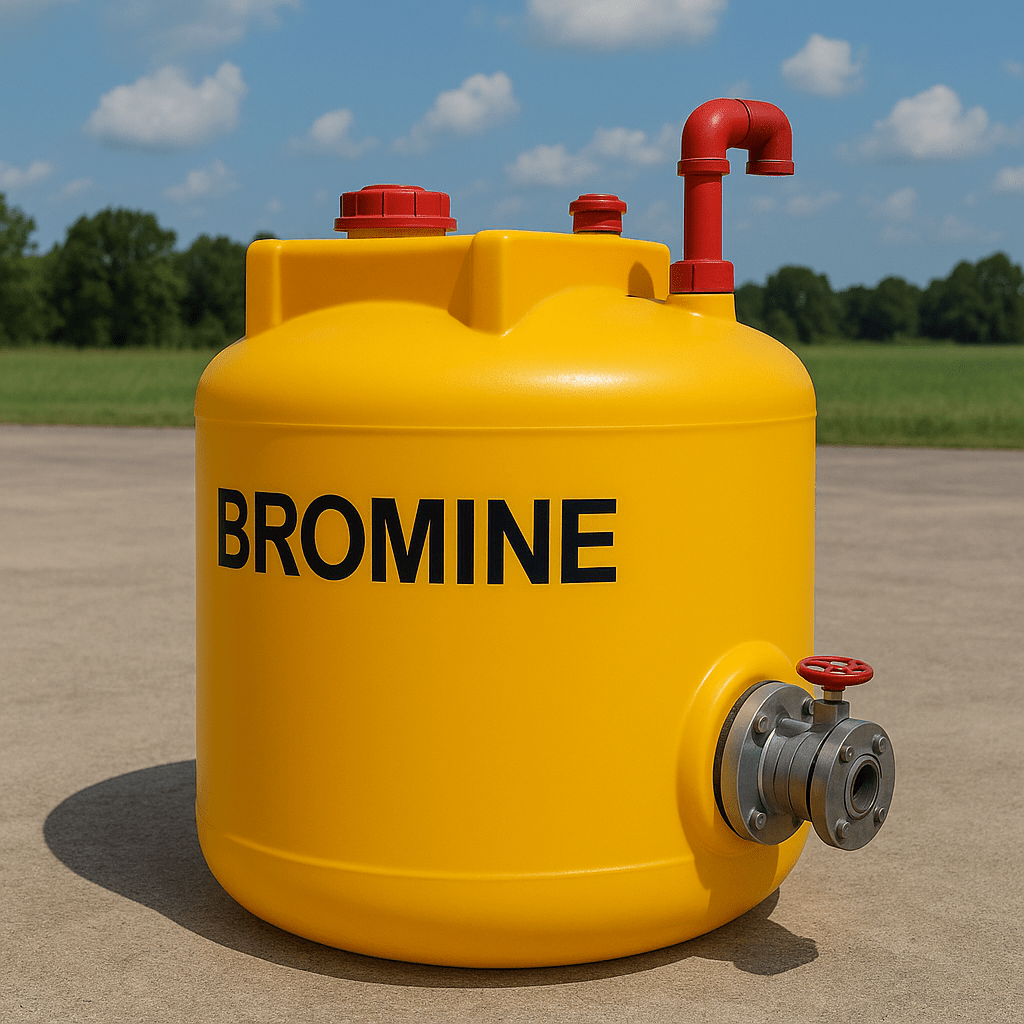
A Comprehensive Guide to Bromine Tanks: Benefits, Applications, and Maintenance

In the chemical industry, safe and efficient storage of hazardous materials is paramount. Bromine, a highly reactive and corrosive element, requires specialized storage solutions to ensure safety and stability. Bromine tanks are designed to meet these stringent requirements, providing a reliable and secure method for storing this volatile substance. This guide explores the benefits, applications, and maintenance of bromine tanks, helping you understand their critical role in various industrial processes.

What Are Bromine Tanks?

Bromine tanks are specifically engineered storage containers designed to hold bromine safely. These tanks are made from materials that resist corrosion and are capable of withstanding the harsh chemical nature of bromine. Typically constructed from materials like rubber-lined steel, fiberglass reinforced plastic (FRP), or high-density polyethylene (HDPE), bromine tanks ensure the safe containment of bromine, preventing leaks and minimizing the risk of environmental contamination.

Key Benefits of Bromine Tanks

  1. Corrosion Resistance Bromine is a highly corrosive substance, capable of damaging conventional storage materials. Bromine tanks are constructed from corrosion-resistant materials, ensuring the integrity of the tank and the safety of its contents over time. This resistance to corrosion extends the lifespan of the tank and reduces the need for frequent replacements.
  2. Safety and Containment The design of bromine tanks prioritizes safety, with features that prevent leaks and spills. These tanks are equipped with secure seals and fittings to contain bromine effectively, minimizing the risk of exposure to personnel and the environment. Additionally, the robust construction of bromine tanks withstands the pressures and stresses of industrial use.
  3. Temperature Control Bromine storage often requires temperature regulation to maintain stability. Bromine tanks can be equipped with temperature control systems, including insulation and heating or cooling mechanisms, to ensure that the bromine remains at a safe and stable temperature. This is crucial for preventing the crystallization or volatilization of bromine.
  4. Customization Bromine tanks can be customized to meet specific storage requirements. Whether you need a particular size, shape, or additional safety features, these tanks can be tailored to fit your needs. Customization options include various fittings, coatings, and monitoring systems to enhance safety and efficiency.
  5. Durability Bromine tanks are built to withstand harsh industrial environments. The materials used in their construction are chosen for their strength and durability, ensuring that the tanks can endure the rigors of daily use without compromising safety or performance.

Common Applications of Bromine Tanks

  1. Chemical Manufacturing In chemical manufacturing, bromine is used in the production of a variety of chemicals, including flame retardants, pharmaceuticals, and agricultural chemicals. Bromine tanks provide a safe and reliable storage solution for bromine used in these processes, ensuring that production runs smoothly and safely.
  2. Water Treatment Bromine is commonly used in water treatment applications, particularly for disinfecting swimming pools and cooling towers. Bromine tanks are essential for storing bromine in these applications, providing a secure and accessible source of bromine for treatment processes.
  3. Oil and Gas Industry The oil and gas industry utilizes bromine in various applications, including drilling fluids and completion fluids. Bromine tanks provide the necessary storage for bromine used in these operations, ensuring that it is readily available and safely contained.
  4. Pharmaceutical Industry Bromine is a key ingredient in the synthesis of certain pharmaceuticals. Bromine tanks ensure the safe storage of bromine in pharmaceutical manufacturing facilities, maintaining the purity and stability of the bromine used in drug production.
  5. Research Laboratories Research laboratories often require bromine for various experiments and studies. Bromine tanks provide a safe and controlled environment for storing bromine in these settings, ensuring that it is available when needed and minimizing the risk of accidental exposure.

Maintenance Tips for Bromine Tanks

Proper maintenance of bromine tanks is crucial for ensuring their longevity and safe operation. Here are some maintenance tips for bromine tanks:

  1. Regular Inspections Conduct regular inspections to check for signs of wear, corrosion, or damage. Early detection of issues can prevent leaks and other hazards, ensuring the continued safe operation of the tank.
  2. Cleaning and Decontamination Regular cleaning and decontamination of bromine tanks are essential to prevent the buildup of impurities and maintain the integrity of the tank. Follow industry guidelines and manufacturer recommendations for cleaning procedures.
  3. Monitoring Systems Utilize monitoring systems to track the temperature, pressure, and level of bromine in the tank. These systems can provide early warnings of potential issues, allowing for prompt corrective action.
  4. Seal and Fitting Maintenance Inspect and maintain seals and fittings regularly to prevent leaks. Replace worn or damaged components promptly to ensure the tank remains secure.
  5. Professional Servicing Engage professional services for routine maintenance and repairs. Experienced technicians can provide thorough inspections and necessary repairs, ensuring that the bromine tank remains in top condition.

Why Choose High-Quality Bromine Tanks?

Investing in high-quality bromine tanks is essential for ensuring the safe and efficient storage of bromine. High-quality tanks offer superior corrosion resistance, durability, and safety features, providing peace of mind and long-term value. By choosing the right bromine tanks for your specific application, you can enhance safety, reduce maintenance costs, and ensure the reliable storage of bromine.

Conclusion

In conclusion, bromine tanks are a vital component in industries that handle bromine, providing safe and efficient storage solutions. Understanding the benefits, applications, and maintenance of bromine tanks can help businesses make informed decisions and optimize their operations. Whether you are in chemical manufacturing, water treatment, or any other industry requiring bromine storage, investing in high-quality bromine tanks is crucial for achieving safe and reliable performance.

Explore the advantages of bromine tanks today and discover how they can enhance your industrial processes. With their proven performance and versatility, bromine tanks are the future of safe and efficient bromine storage solutions.