Support Plate

High-Performance Packing Support Plates for Improved Gas and Liquid Flow in Industrial Towers

Packing Support Plates for Efficient Mass Transfer in Industrial Towers

Image

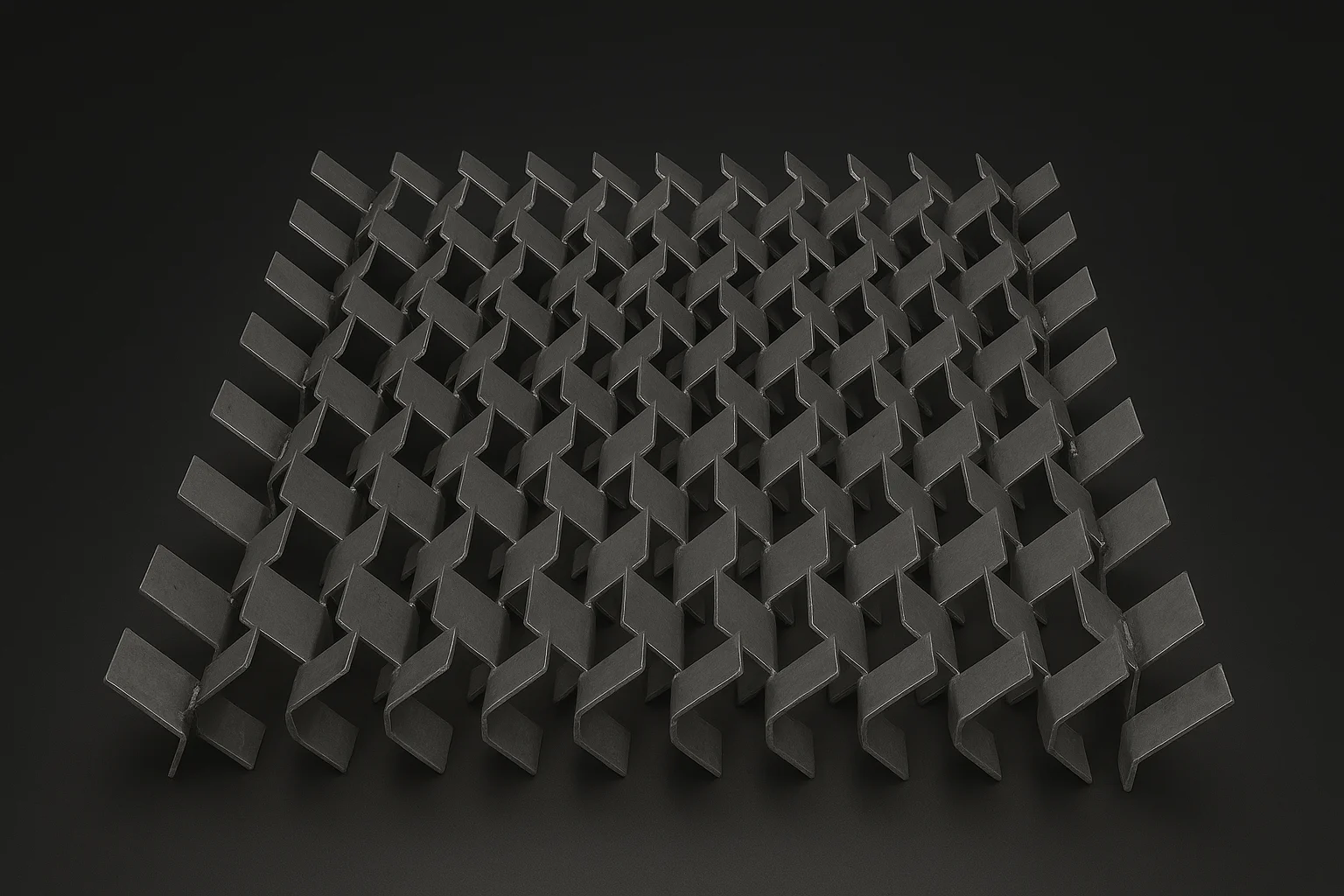
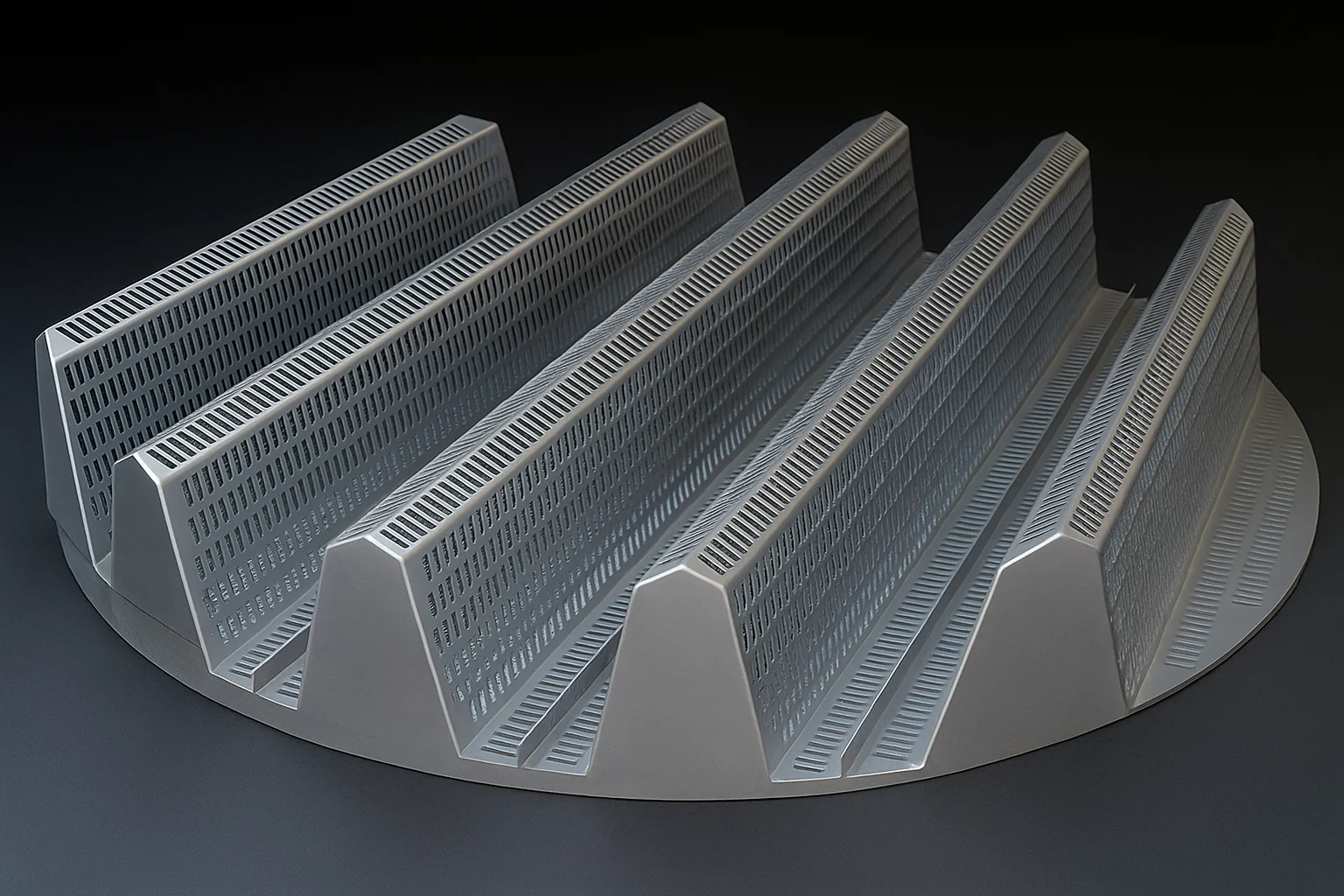
The packing support plate, or packing support grid, is a critical element of tower internals that is used to support random and structured packing beds. It aids in supporting liquids’ weight while allowing for efficient and smooth mass transfer in the tower. Its open area is spacious, and its design is accurate, which allows for the even distribution of gas and liquid and avoids problems such as liquid blocking and flooding.

Grating and multi-beam types, these plates are designed to suit varied packing conditions and pressure settings. They find widespread use in towers for the absorption of sulfuric acid, cooling, drying, distillation, and washing operations.

Designed to meet challenging industrial conditions, packing support plates ensure tower stability and efficient process operation. Selecting a proper plate improves mass transfer performance and prolongs equipment life.

Features and Applications of SH Engitech Support Plate

Características Aplicaciones
High Strength and Stiffness Procesamiento Químico
Sufficient Open Area Rate Petrochemical
Large Free Section Area Pharmaceutical
Simple Structure
Resistencia a la corrosión
Adjustable Options
Threaded Holes or Slots
Material Versatility
Food and Beverage
Protección del Medio Ambiente
Pulpa y papel
Mining and Metallurgy
Generación de energía
Tratamiento de aguas residuales

Our Other services

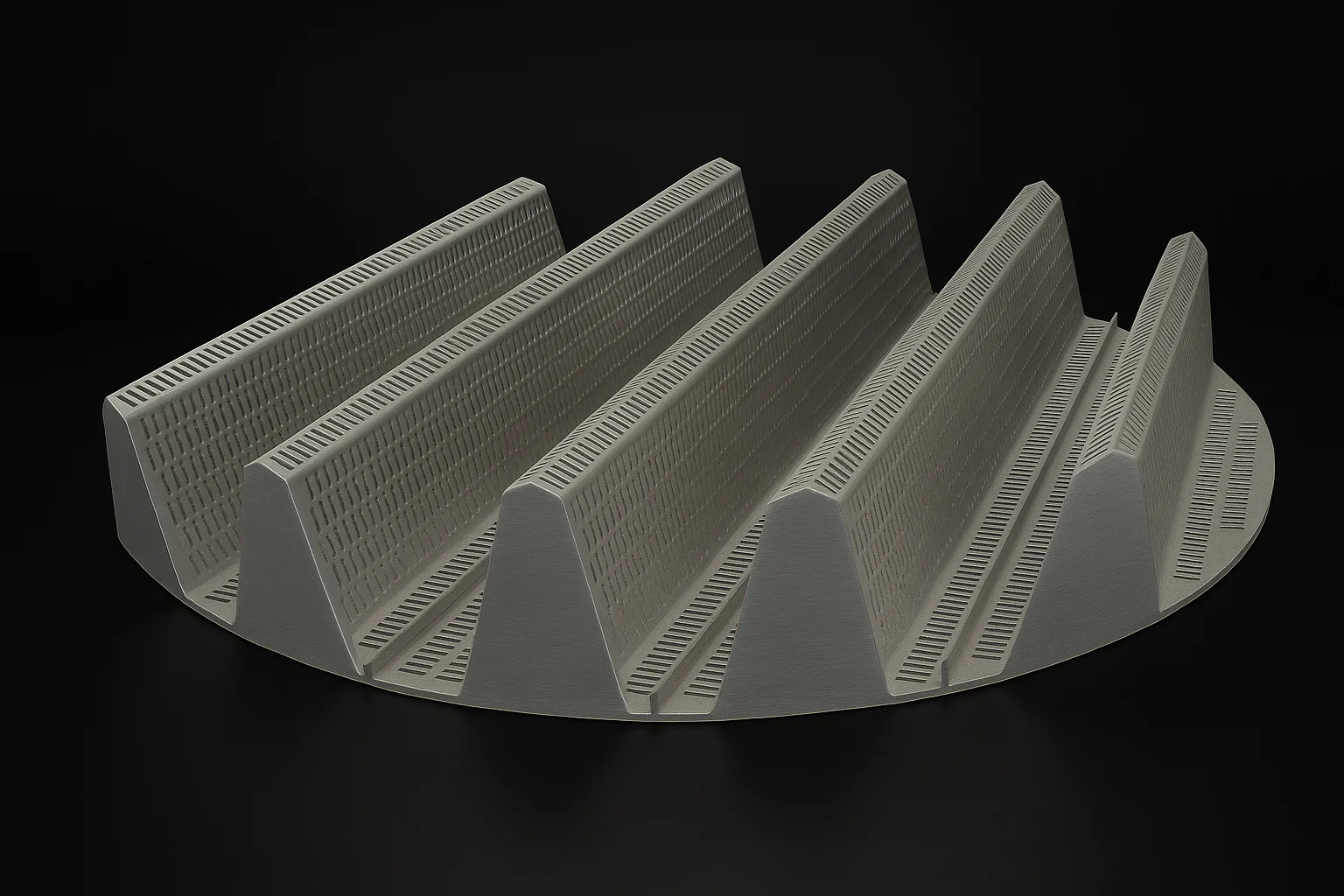
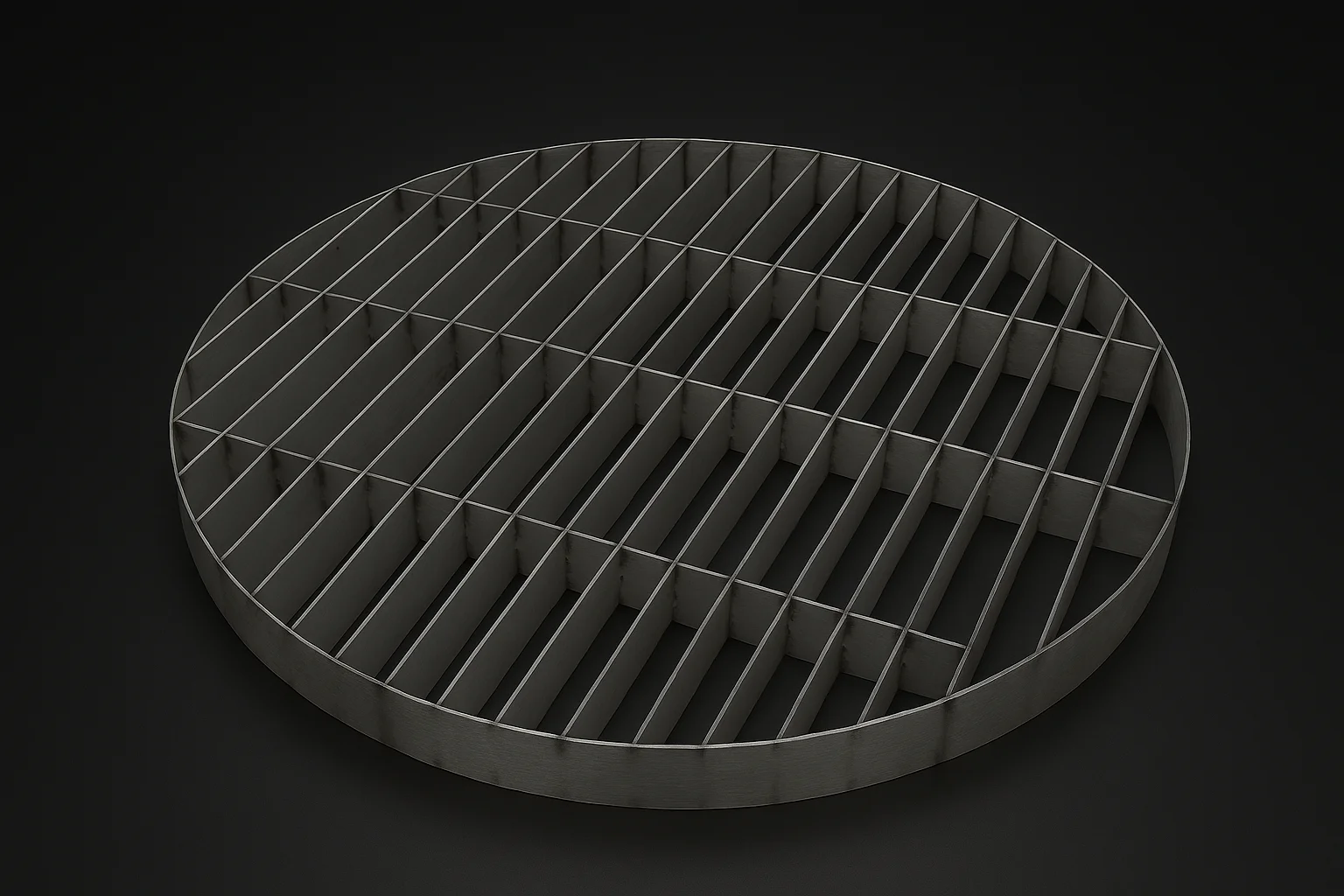
GIP-1 Type Support Plate
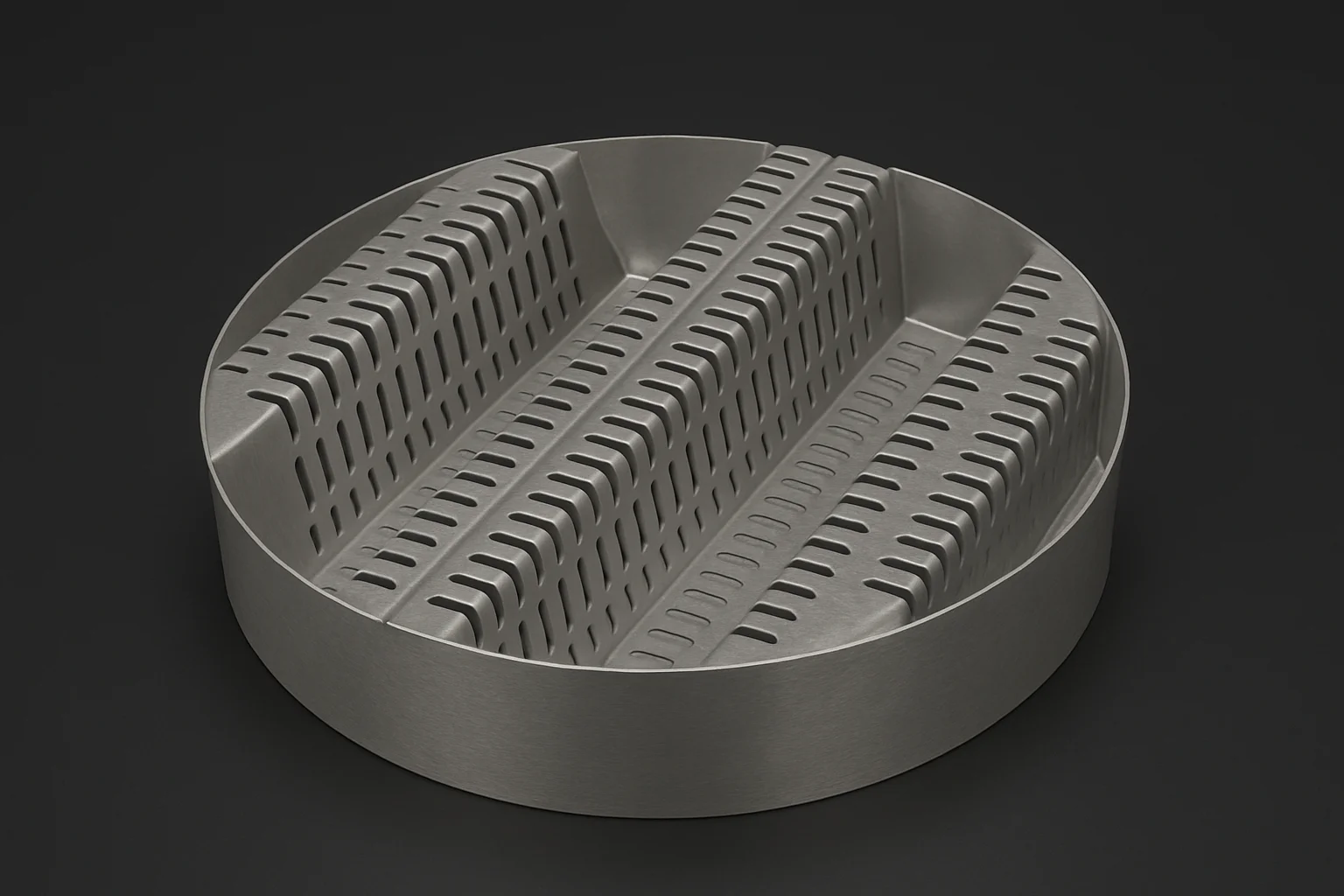
GIP-2 Type Support Plate for Ceramic Packings
GIP-P Type Support Plate
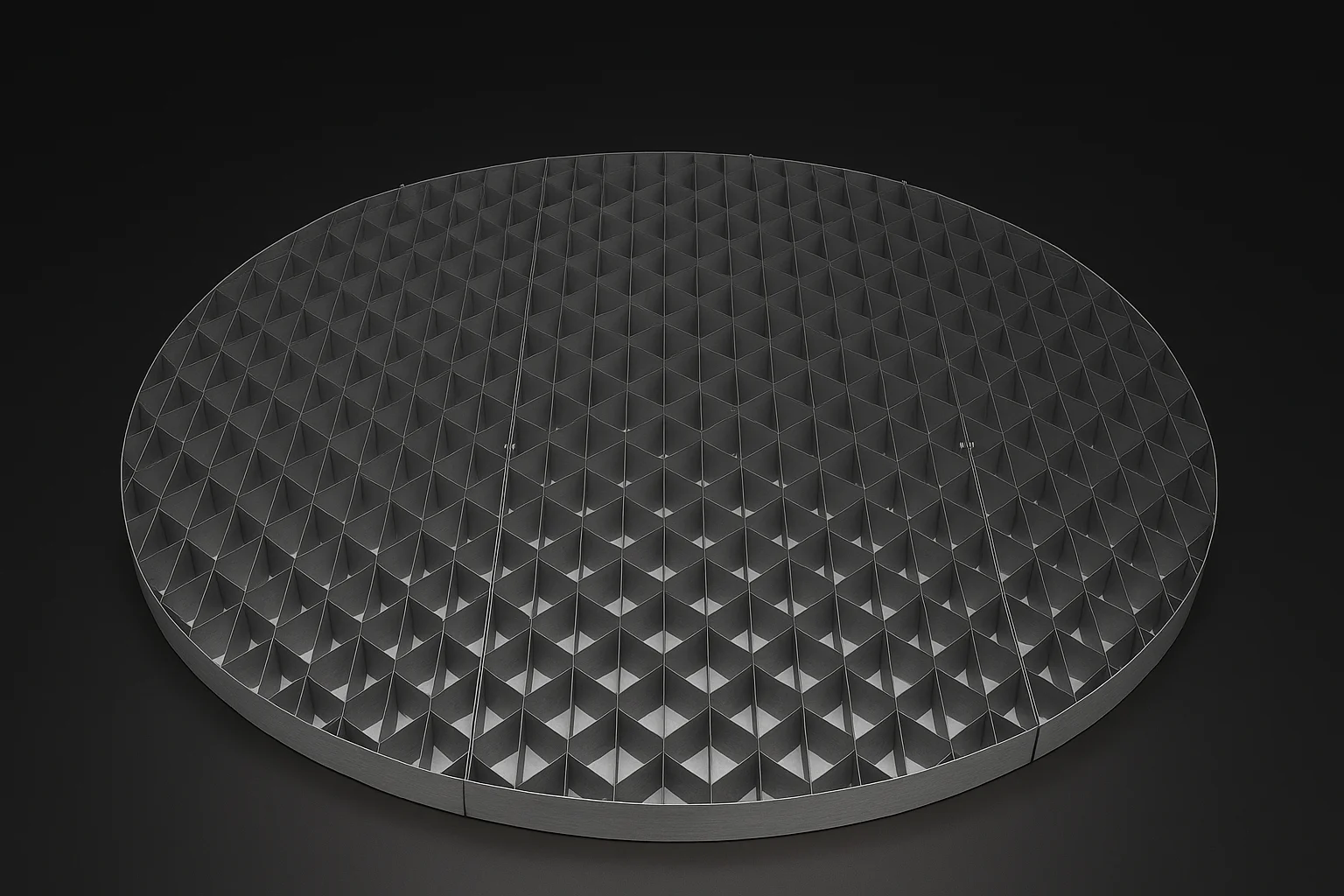
GIP-HG Type Hexa-Grid Support Plate
GIP-CF Type Cross-Flow-Grid Support Plate

Why Choose Our Support Plate

personalizado

Built from corrosion-resistant metal or plastic.

experto

High open area supports smooth flow.

Enhances gas and liquid distribution.

Enhances gas and liquid distribution.

solteros-todos

Prevents bed collapse during surges.

Ideal for random and structured packing.

Ideal for random and structured packing.

capacidades internas

Available in grating and multi-beam types.

de extremo a extremo

Easy to install and remove.

Minimizes flooding and blockage.

Minimizes flooding and blockage.

Low maintenance design.

Low maintenance design.

Supports stable and efficient operations.

Supports stable and efficient operations.

Descargue nuestro perfil corporativo

Explore nuestra trayectoria, servicios y proyectos destacados. Descargue nuestro perfil corporativo y vea cómo aportamos valor en cada etapa de su proyecto.

    Frequently Asked Questions About Support Plate

    A support plate holds the packing materials in place inside the column. It helps maintain structure, allows proper flow of liquids and gases, and prevents the packing from shifting or collapsing during operation.

    Yes, support plates are specially designed to work with both types of packing. Whether you are using random rings or structured sheets, the plate helps provide stable support and consistent performance.

    Support plates are usually made from stainless steel, carbon steel, or chemical-resistant plastics. The choice depends on the type of process, temperature, and chemical exposure in your operation.

    A well-designed support plate helps create an even distribution of fluids. This improves contact between gas and liquid phases, which directly boosts mass transfer efficiency.

    Not at all. Support plates are designed with a high open area to ensure smooth flow. They support the packing without interrupting the process or reducing column performance.

    They are widely used in distillation towers, absorption towers, drying towers, cooling towers, and washing columns. You will find them in chemical plants, refineries, and other process industries.