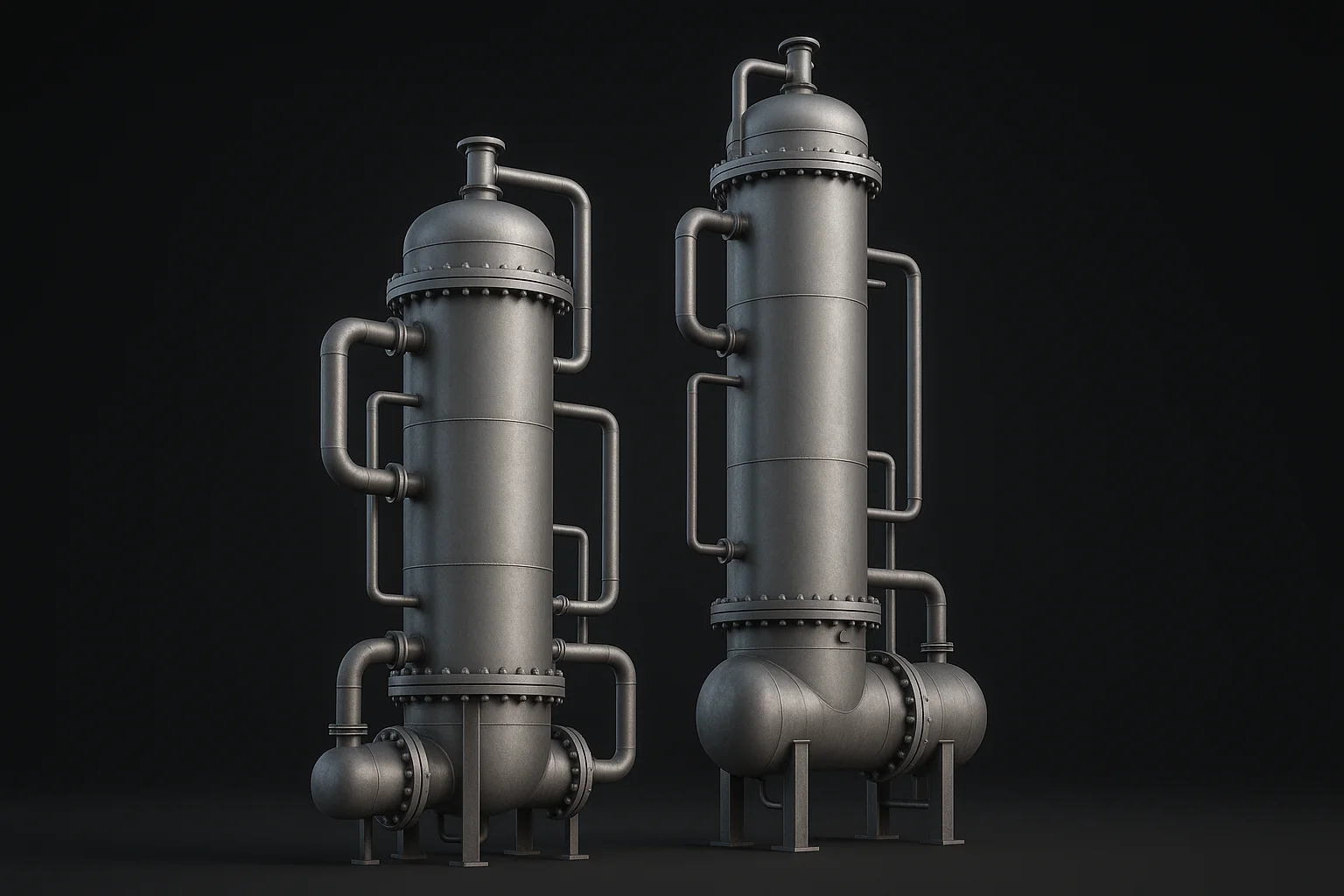
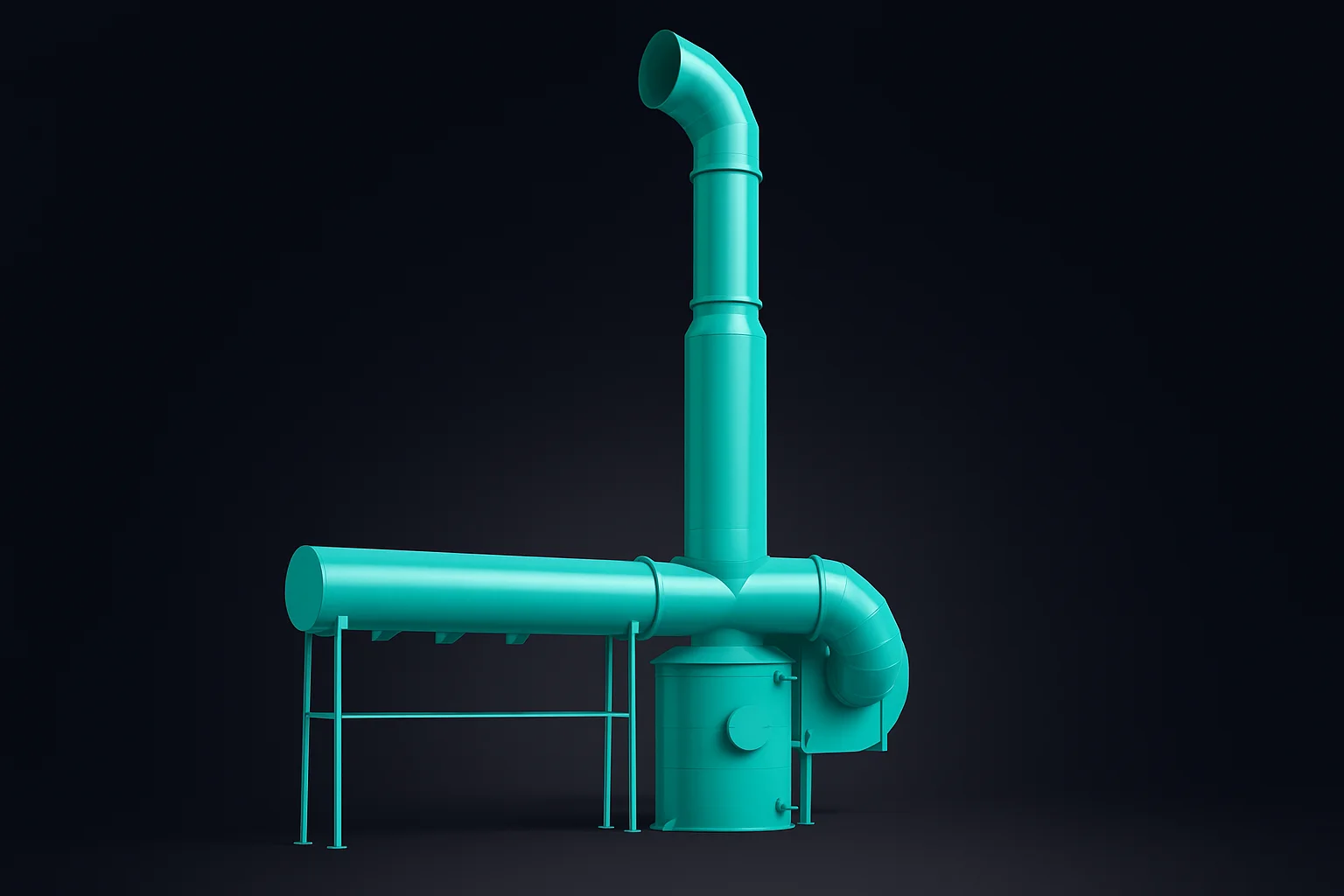
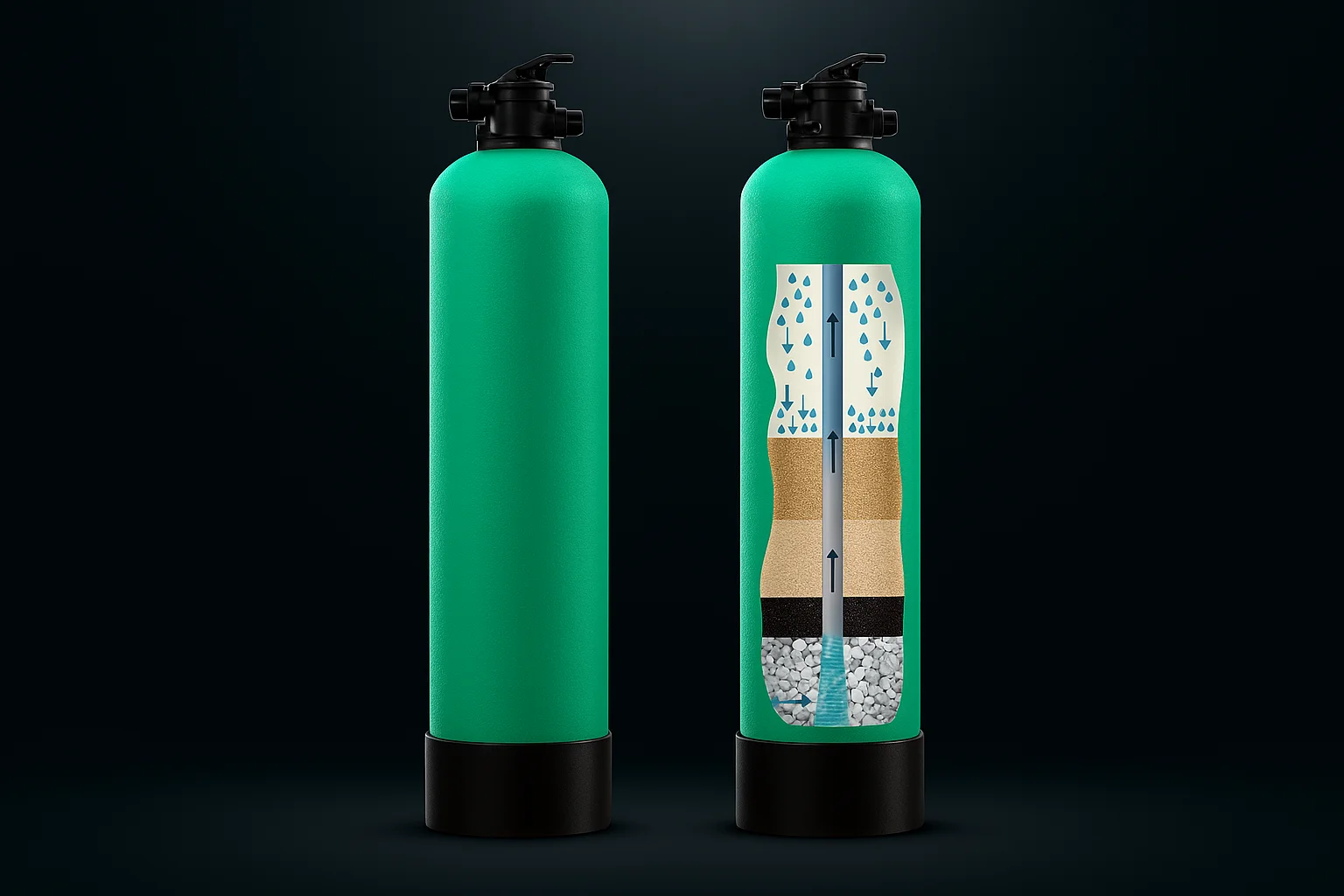
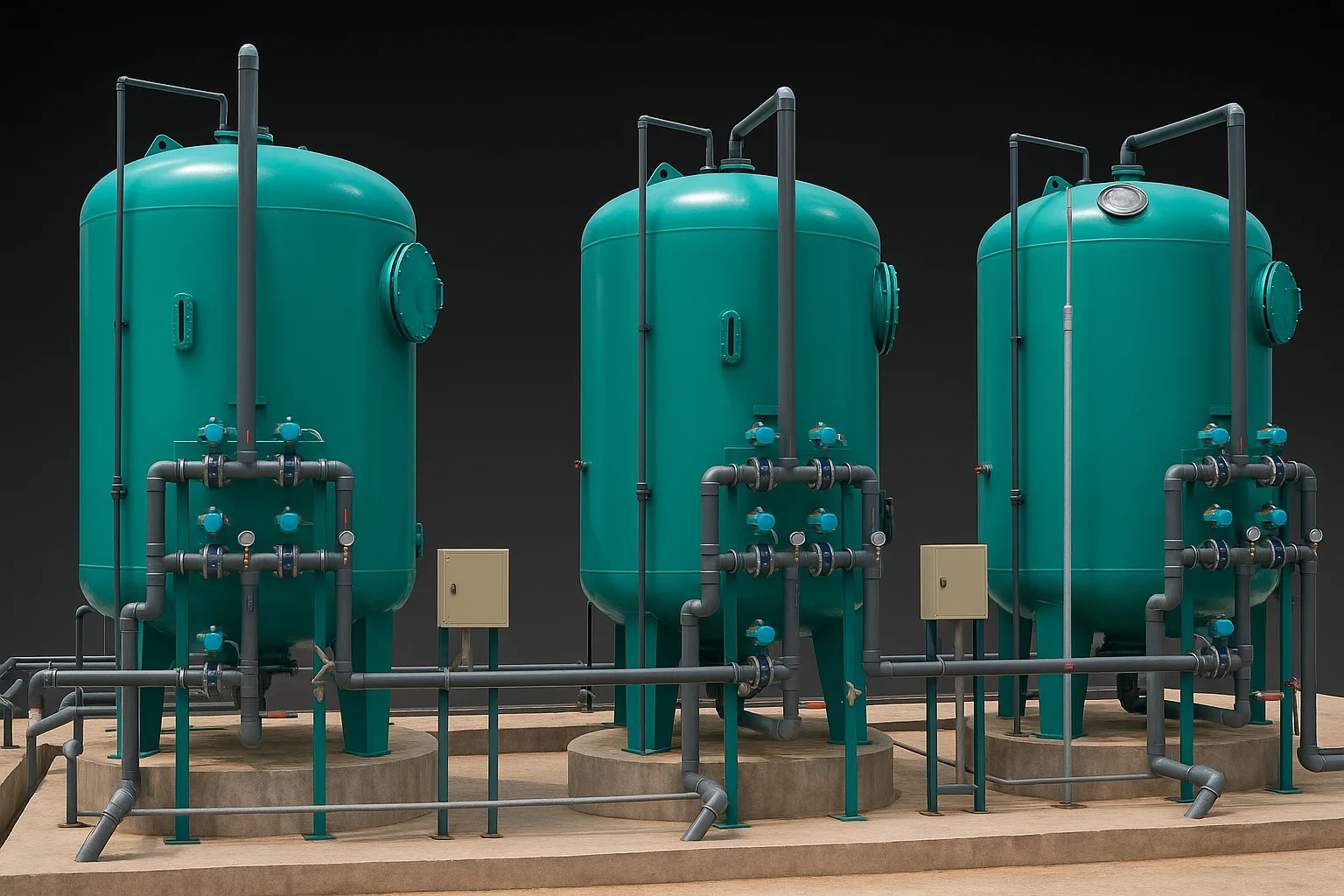
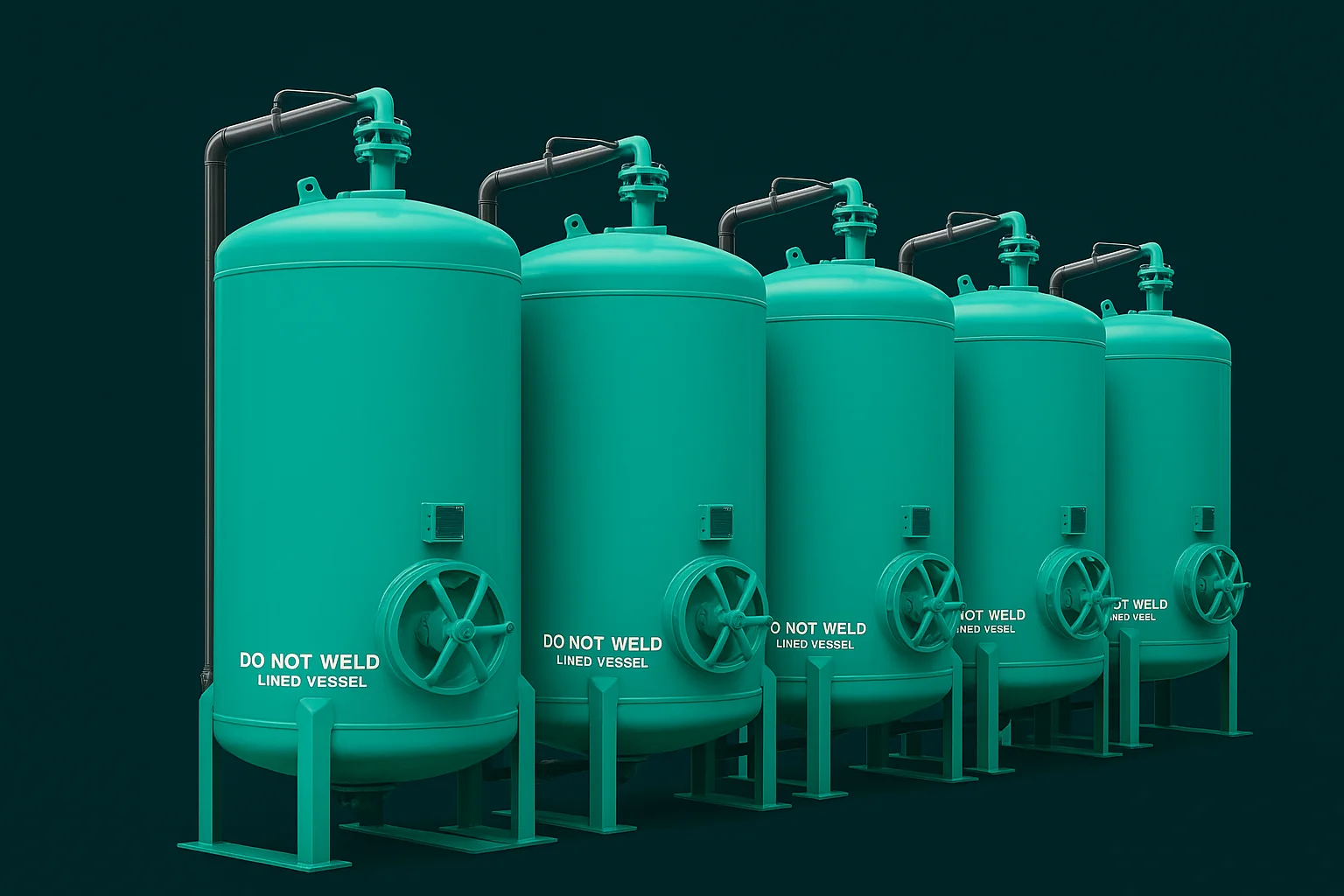
Strippers for hydrogen sulfide (H₂S) and ammonia (NH₃) are valuable units in industrial gas and water treatment systems. Such units operate by removing unwanted gases from liquid streams using a process involving steam or air. The method, which is referred to as stripping, serves to extract volatile materials from water or liquid solutions.
Knowing the Function of Each Stripper
H₂S Strippers are typically applied in refining, water treatment, and gas processing industries. Their primary function is to strip hydrogen sulfide out of a process stream. The H₂S gas, after stripping, is typically sent to a sulfur recovery unit or some other treatment system for safe handling.
NH₃ Strippers are necessary in order to lower the levels of ammonia in wastewater or chemical effluent. They are commonly applied in refineries, chemical plants, and water treatment plants. NH₃ Strippers ensure that ammonia is removed safely prior to either reuse of the water or release, ensuring that companies remain compliant with environmental regulations.
Why FRP is the Right Choice
The housings of such stripper systems are constructed using Fiber Reinforced Plastic, or FRP. This plastic is commonly selected due to its high resistance to corrosion, strength under pressure, and light weight. FRP functions nicely even under very aggressive and harsh chemically charged conditions, which explains why it is relied upon by numerous industries.
How the Equipment is Manufactured
There are two common methods applied to produce FRP strippers:
- Filament Winding – Glass fibers are wound onto a rotating mold and resinated in this process. This produces a seamless, yet strong structure.
- Hand Lay-up – In this process, glass fiber layers are put by hand and infused with resin. Precision and customizability are offered by this method.
These processes result in the product being both strong and reliable, capable of withstanding demanding treatment applications and assuring long service life.