Pall-Ring: Ceramic & Carbon Random Packing

A smart solution for optimizing filtration and purification systems

Pall Rings for Distillation, Absorption, and Scrubbing Applications

Pall-Ring (1)

At SH Engitech, we provide Ceramic and Carbon Pall Rings to maximize mass transfer in industrial operations like distillation, absorption, and scrubbing. Our Pall Rings have an open-cylindrical structure that provides the greatest gas-liquid contact, making the process efficient while reducing pressure drop. This structure enhances fluid distribution and provides consistent performance in all applications.

The Ceramic Pall Rings possess their high thermal stability and superior mechanical strength, which enables them to perform optimally even in chemically aggressive or high-temperature environments. Used either in petrochemical processing or in waste treatment industries, the rings give reliable performance for a long period of time regardless of extreme conditions.

In contrast, our Carbon Pall Rings are light, conductive, and acid and alkali resistant. Such characteristics make them most suitable for use in filtration, purification, and heat exchange equipment. Their capacity to maintain performance under corrosive conditions prolongs the life of your system and minimizes requirements.

Both Ceramic and Carbon Pall Rings provide an effective solution to enhance process performance. Their consistent performance ensures higher operational efficiency, lower energy costs, and extended durability, thus saving costs for numerous industrial applications.

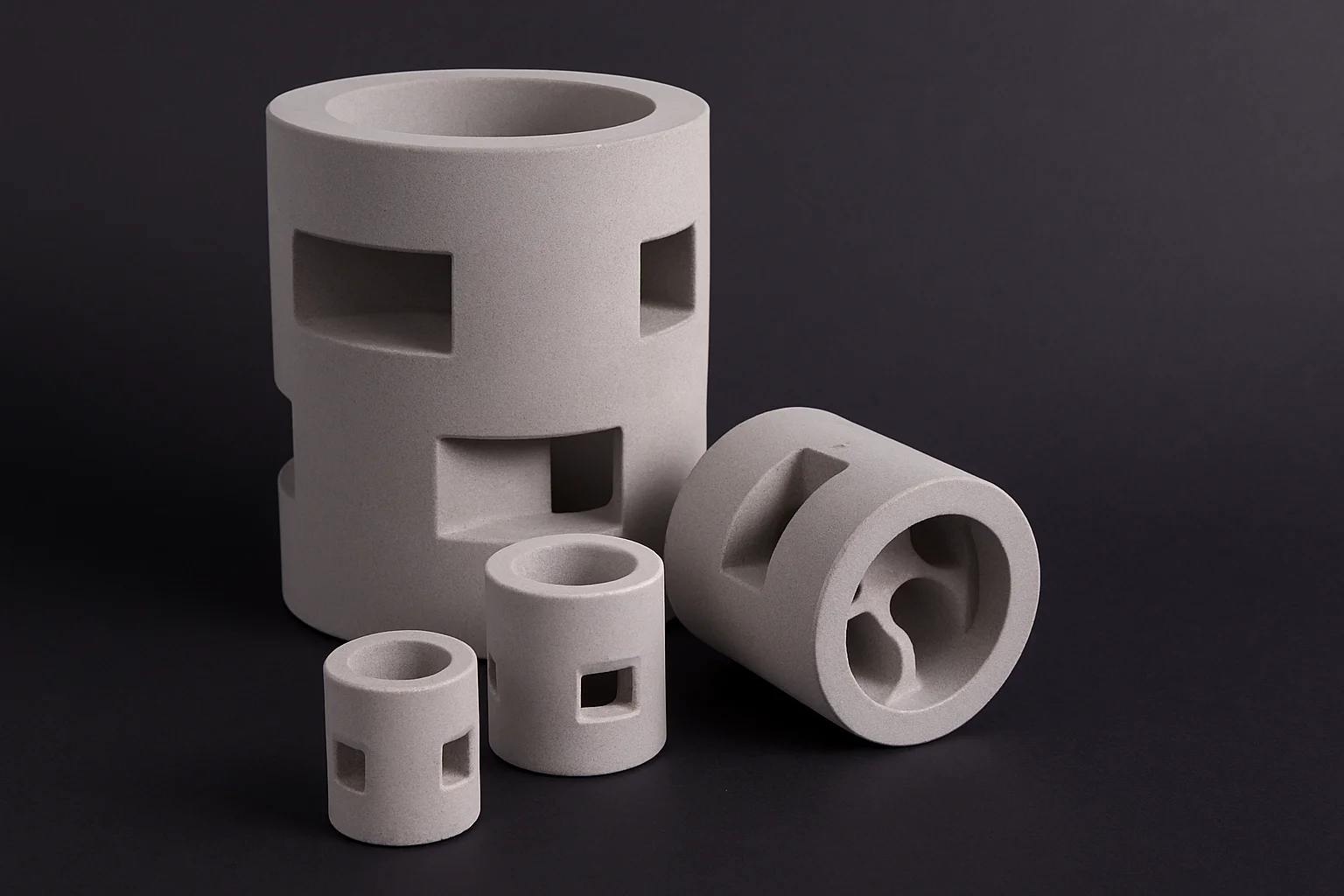
Technical Breakdown of Product Characteristics

Size Surface (m2/m3) Free Vol %
25 220 75
35 165 78
50 120 78
80 80 79
100 55 81

Our other Ceramic & Carbon random Packings Products

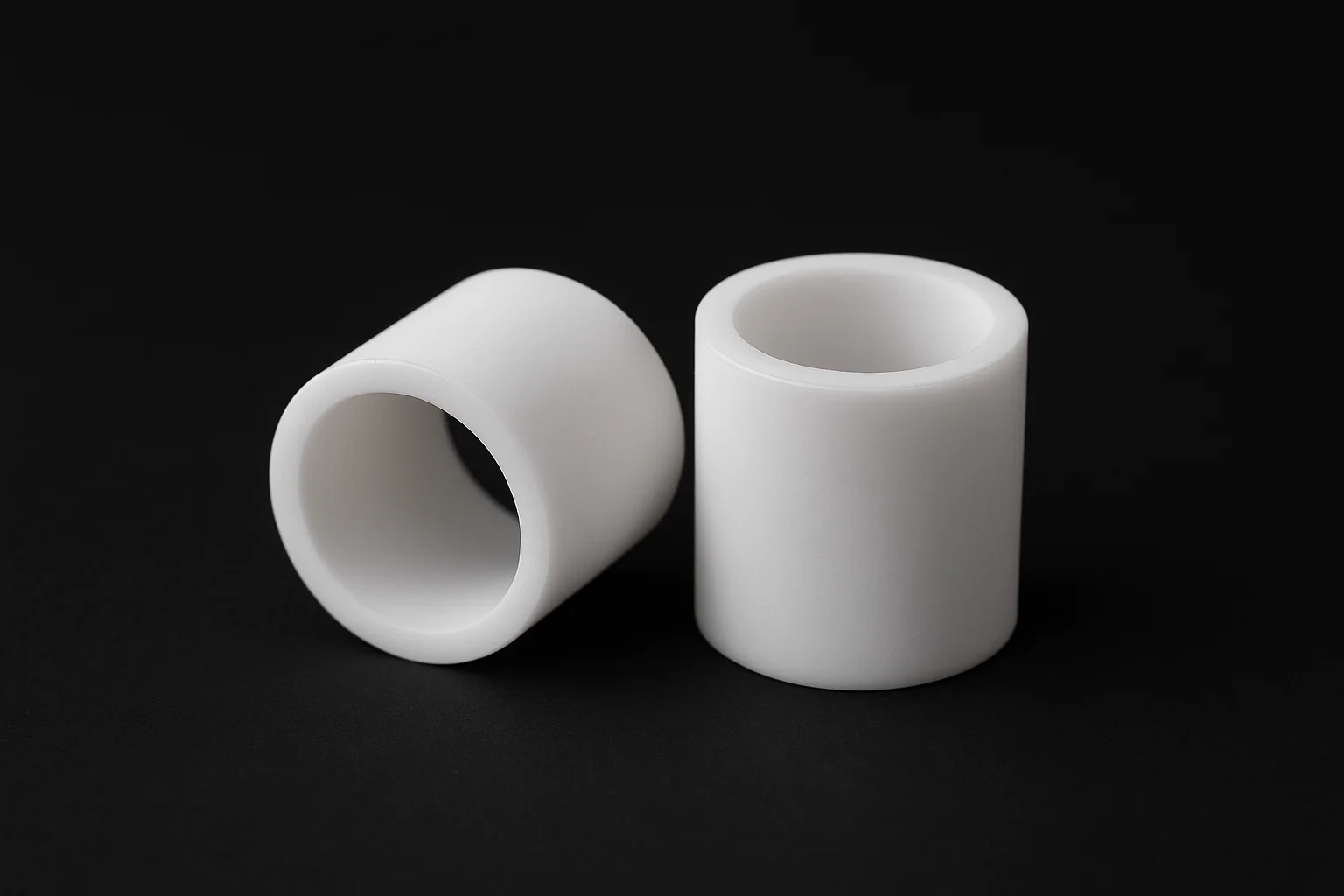
Carbon Raschig Rings – Ceramic and Carbon Random Packing

Droplet separators also have a key function in most of the industrial processes that deal with gas or vapor streams.

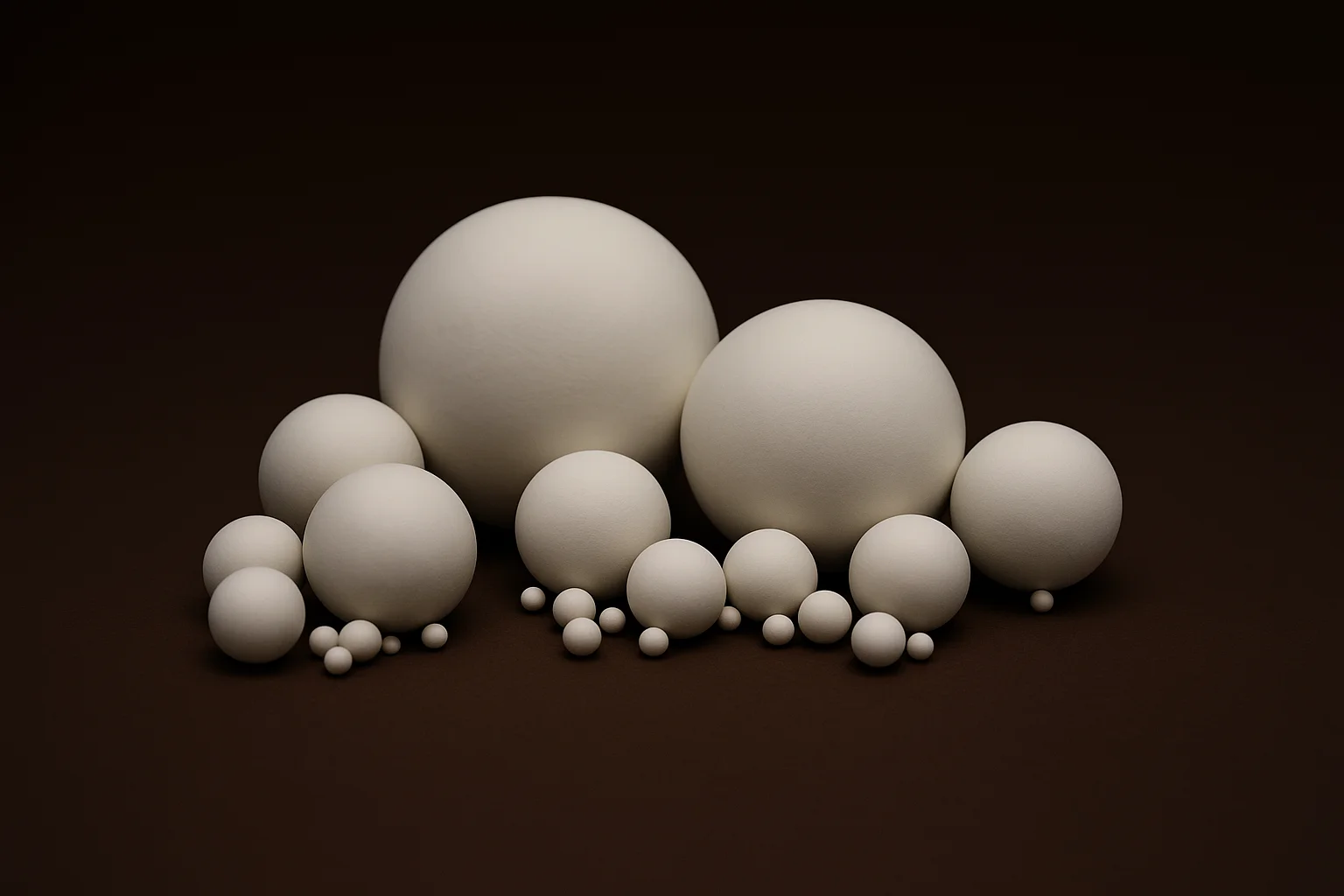
Ceramic Balls: Ceramic & Carbon Random Packing

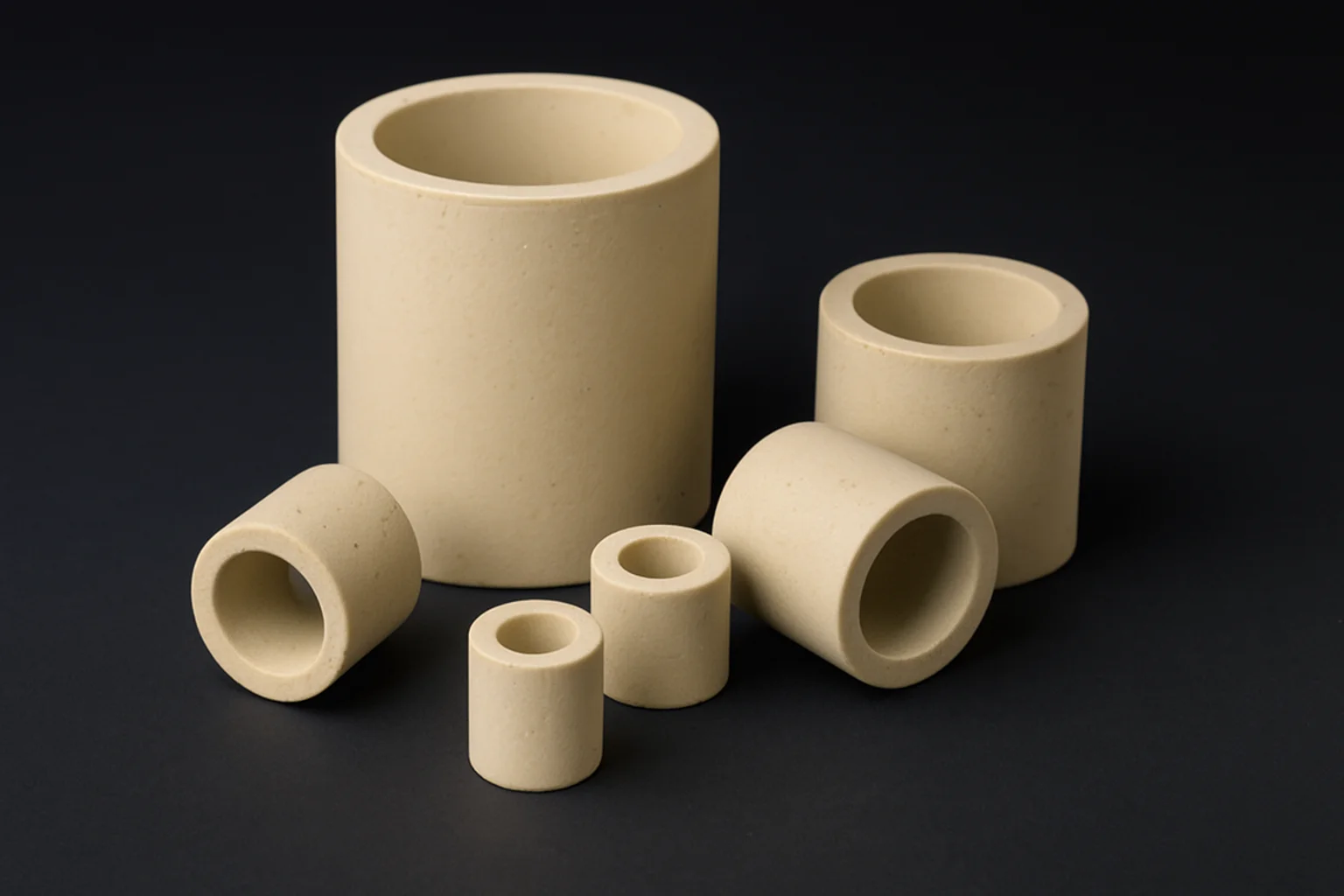
Ceramic Raschig Rings – Ceramic and Carbon Random Packing

Droplet separators also have a key function in most of the industrial processes that deal with gas or vapor streams.

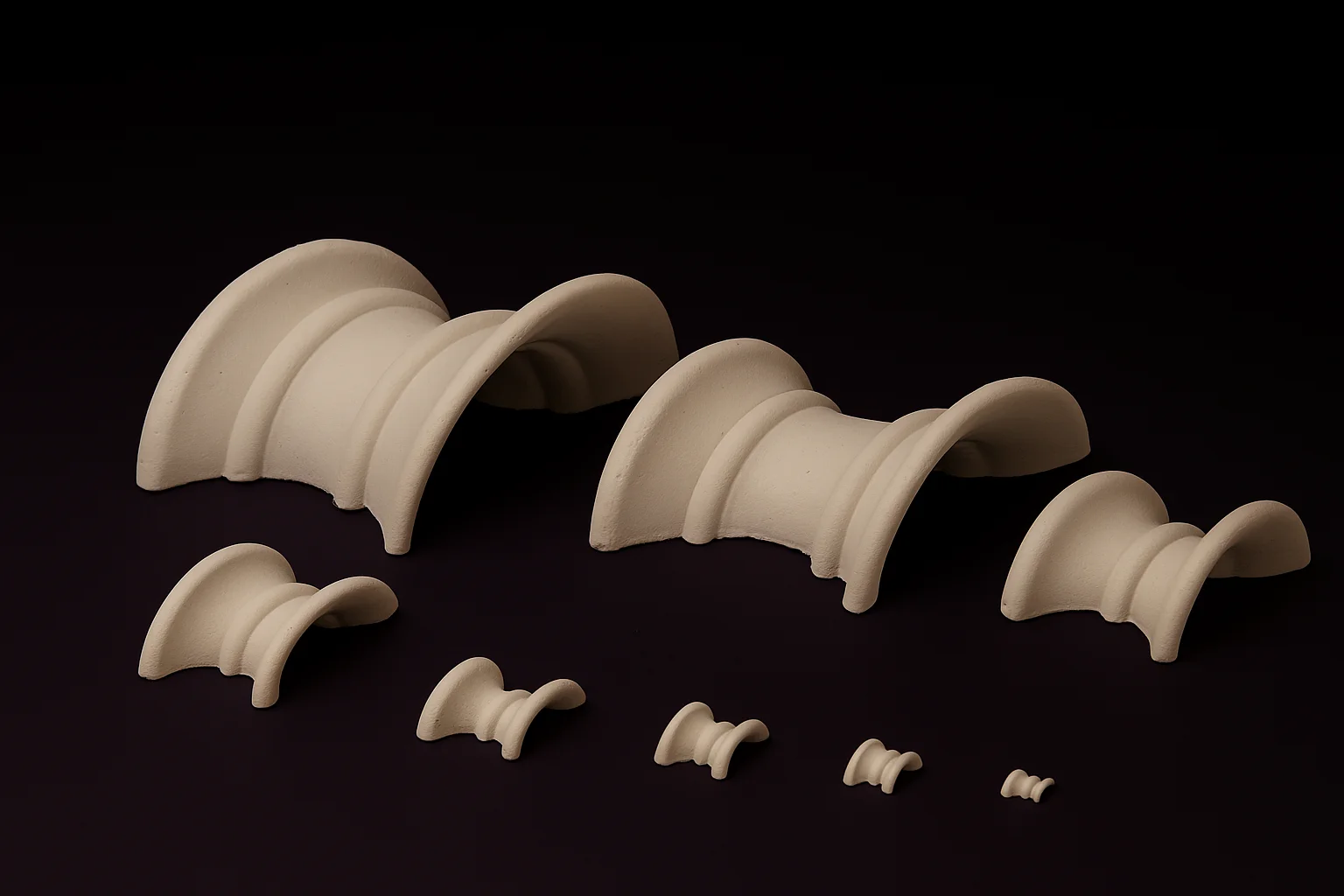
Torus-Saddle
Torus-Saddle

Ceramic & Carbon Random Packing

Why Choose Our Pall Rings

  • High-strength Ceramic and Carbon materials

  • Efficient gas-liquid contact design

  • Excellent thermal stability

  • Strong resistance to corrosive chemicals

  • Lightweight Carbon option for easy handling

  • Low pressure drop for energy efficiency

  • Long-lasting, reducing maintenance costs

  • Ideal for high-temperature environments

  • Versatile across multiple industrial applications

  • Reliable performance in harsh conditions

SH Engitech - Office
Contact
maps

Plot No: 278,279,285,286, 291,292,293,294,298,299,300,301, Radha Madhav Eco Industrial Park, NH 56, Vapi, Dist. Valsad-396191, Gujarat, India.

Let’s Collaborate

If your facility requires custom-engineered water treatment or filtration solutions, we are here to help. Contact our team to discuss your next project and discover how SH Engitech can support your vision.

    Frequently Asked Questions About Pall-Ring Ceramic & Carbon Random Packing

    Pall Rings are used to improve mass transfer efficiency in applications like distillation, absorption, scrubbing, and filtration.

    Ceramic Pall Rings are strong and heat-resistant, ideal for high-temperature environments, while Carbon Pall Rings are lightweight and highly resistant to corrosive chemicals.

    Yes, both Ceramic and Carbon Pall Rings offer excellent chemical resistance, making them suitable for harsh and corrosive conditions.

    Yes, their open design ensures low pressure drop, which helps reduce energy usage in packed columns.

    Absolutely, especially the Ceramic Pall Rings, which are designed to withstand extreme temperatures without losing performance.

    Their unique structure allows better gas-liquid contact, which boosts the overall efficiency of mass transfer operations.