Thermoplastic Lined FRP Piping

Smart Piping Solutions That Combine Chemical Resistance with Structural Durability

Thermoplastic Lined Pipes – FRP/GRP Piping with Chemical-Resistant Liners

Thermoplastic Lined FRP Piping

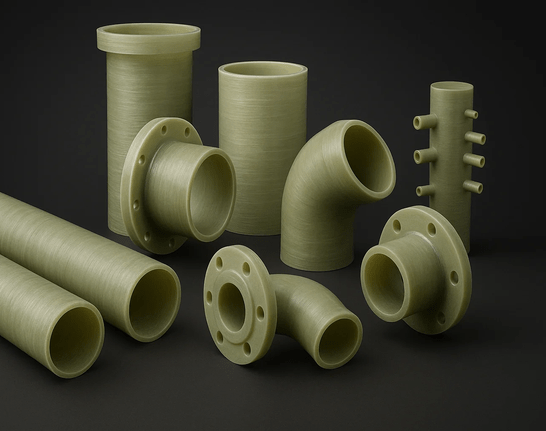
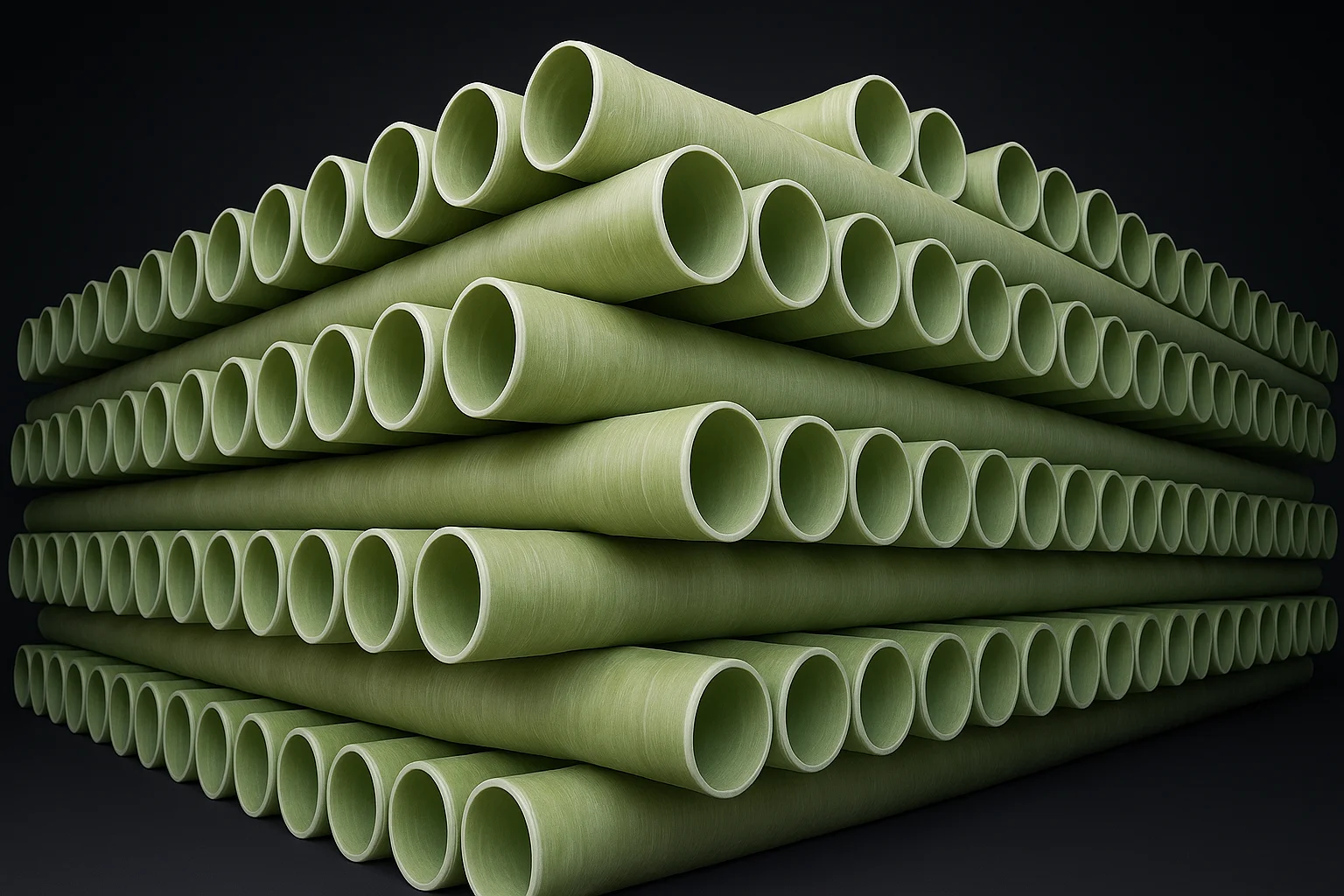
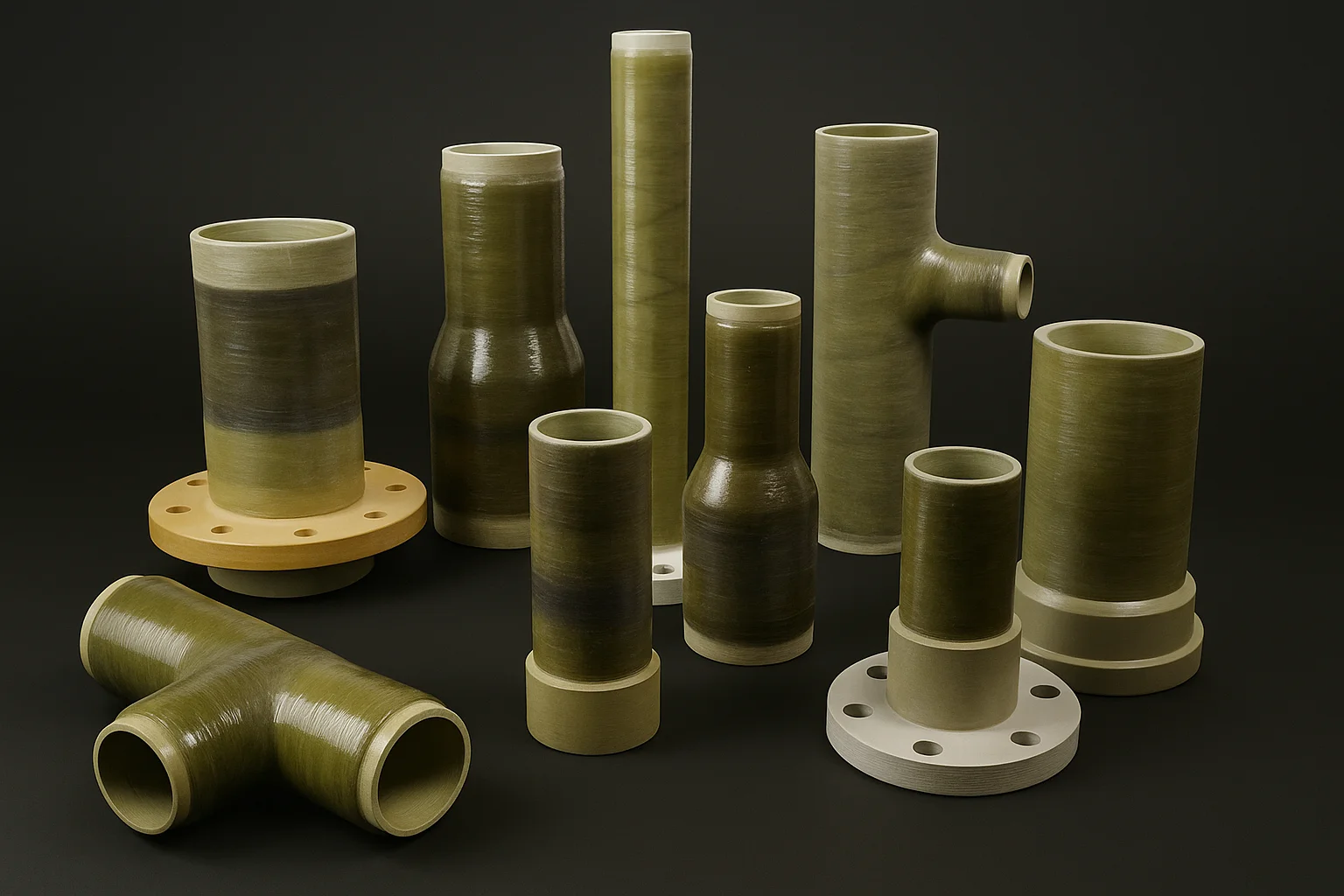
SH Engitech manufactures thermoplastic lined pipes in FRP/GRP, combining a chemical-resistant thermoplastic liner with a rugged filament-wound FRP outer shell. With a leak-proof welded liner supported by a structural FRP wall, these pipes are a long-lasting alternative to rubber-lined steel and high-cost alloy systems.

Specifications

  1. Liners: PE, PPH, PVC, CPVC, PVDF, PTFE, ECTFE, PFA
  2. Sizes: 25 to 4000 NB
  3. Wall build-up: thermoplastic liner, resin-rich corrosion barrier, CNC filament-wound structural FRP, UV-stable topcoat
  4. Joints: butt welding of liner, butt & wrap, flanged, spigot-socket
  5. Standards: ISO 14692, AWWA C950, BS 7159, ASTM D2996, IS 12709 / 14402

Features & Benefits

  1. Leak-proof liner: automatic butt welding gives smooth, leak-proof liner joints
  2. Corrosion protection: liner forms a chemical barrier against corrosive media
  3. Strong and lightweight: FRP wall resists impact and internal pressure

Applications

  1. Chemical plants
  2. Effluent and sewage
  3. Oil & gas and power

Need more information? Contact us

Manufacturing, Testing & Site Services

  1. Liner selection to suit the chemical and temperature
  2. Multi-axis CNC filament winding and automatic butt welding
  3. Hydro tested at works before dispatch
  4. Ready-to-install spools with site jointing support
  5. Commissioning, with provision for supports, anchoring and thermal movement

Features and Applications of SH Engitech Thermoplastic Lined FRP Piping

Features Applications
Corrosion Resistance Offshore and onshore oil and gas production (for handling seawater, firewater, etc.)
Lightweight Chemical plants for handling corrosive liquids.
High
Strength-to-Weight
Ratio
Desalination plants.
Non-conductive Water distribution and sewage systems.
Longevity Power plants for cooling systems and other utilities.

Why Choose Our Thermoplastic-Lined FRP Piping

  • Excellent chemical resistance with strong mechanical performance

  • Inner liner protects against corrosive and aggressive fluids

  • Durable FRP outer layer ensures impact and pressure resistance

  • Lightweight design simplifies transport and installation

  • Multiple liner options like PE, PP, PVDF, and ECTFE

  • More economical than rubber-lined steel or exotic metals

  • Low maintenance with long operational life

  • Works well in both underground and surface setups

  • Handles thermal movement with proper support

  • Ideal for industries needing reliable corrosion-resistant piping

Our other GRP Piping Products

GRP Piping Solutions

SH Engitech designs and manufactures customized FRP and GRP piping systems for corrosive chemical, process and utility applications. Our portfolio...

FRP/GRP Piping Manufacturer

FRP, or Fiber Reinforced Plastic, is a composite material with higher content used to produce strong and reliable piping systems.…

GRE Piping
GRE Piping

GRE pipe, or glass-reinforced epoxy pipe, is a composite pipe and is produced by the reaction of glass fibers and…

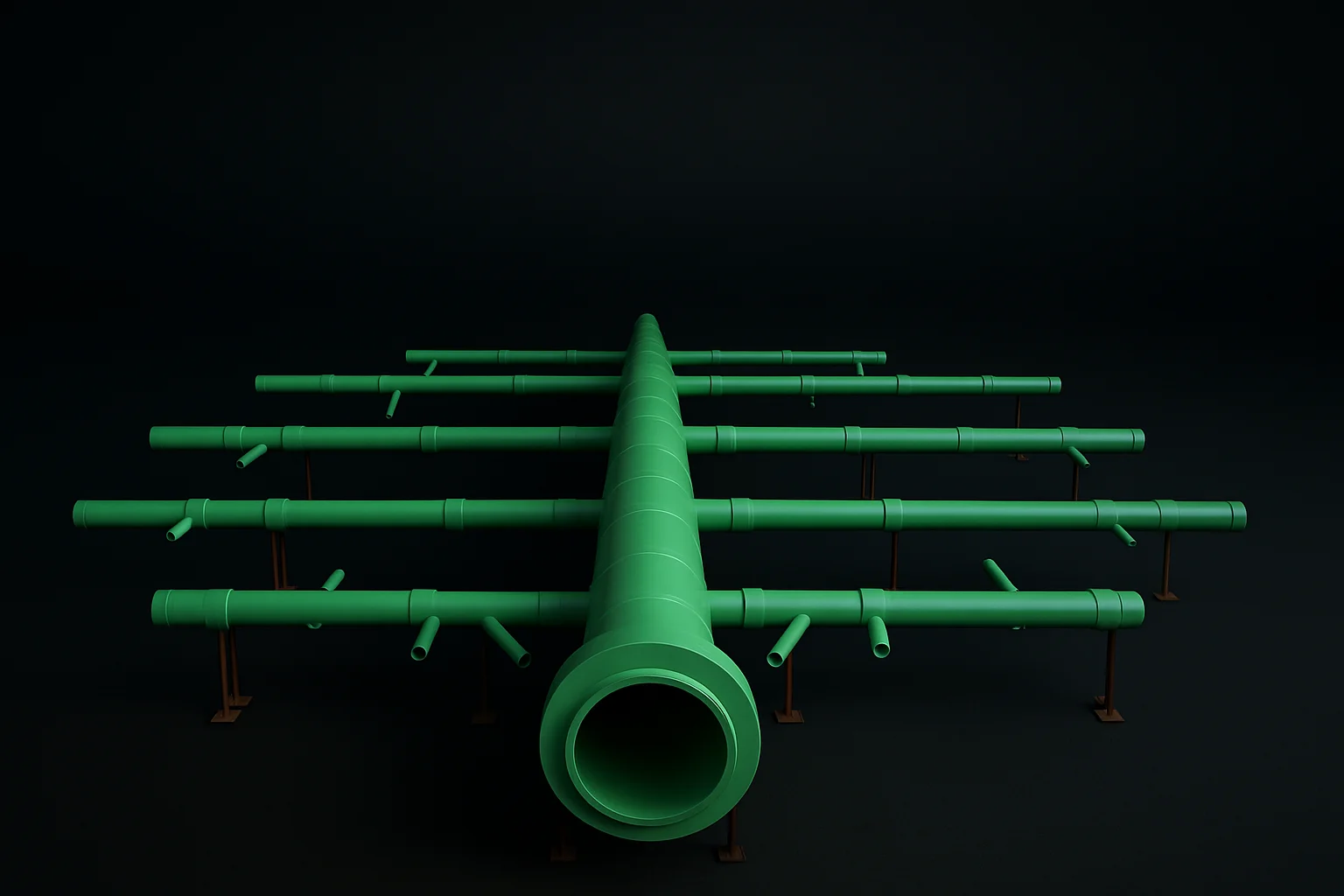
FRP /GRP Spray Headers

GRP spray headers, also referred to as glass-reinforced plastic spray headers, are a class of piping systems widely used in…

FRP /GRP Fittings
FRP /GRP Fittings

FRP (Fiber Reinforced Plastic) and GRP (Glass Reinforced Plastic) fittings are commonly applied in industrial piping systems due to their…

Frequently Asked Questions About Thermoplastic Lined FRP Piping

Thermoplastic-lined FRP piping is mainly used in industries that handle corrosive chemicals, such as chemical processing, wastewater treatment, and power plants. It offers excellent resistance to aggressive fluids while providing long-term durability.

Standard FRP piping offers good corrosion resistance on its own, but adding a thermoplastic lining improves chemical compatibility, especially for highly aggressive substances. The combination offers both chemical resistance and structural strength.

Common thermoplastic liners include PE, PP, PVDF, and ECTFE. The choice depends on the chemical properties of the fluids being transported.

Yes, but it depends on the type of thermoplastic liner used. Materials like PVDF and ECTFE can withstand higher temperatures, making them suitable for demanding applications.

Proper support and anchoring are important because of their lightweight nature. Also, allowances must be made for thermal expansion due to differences in material properties.

Yes, thermoplastic-lined FRP piping is well-suited for both above-ground and underground installations, provided the proper backfilling and support are in place.